PVC Roofing System

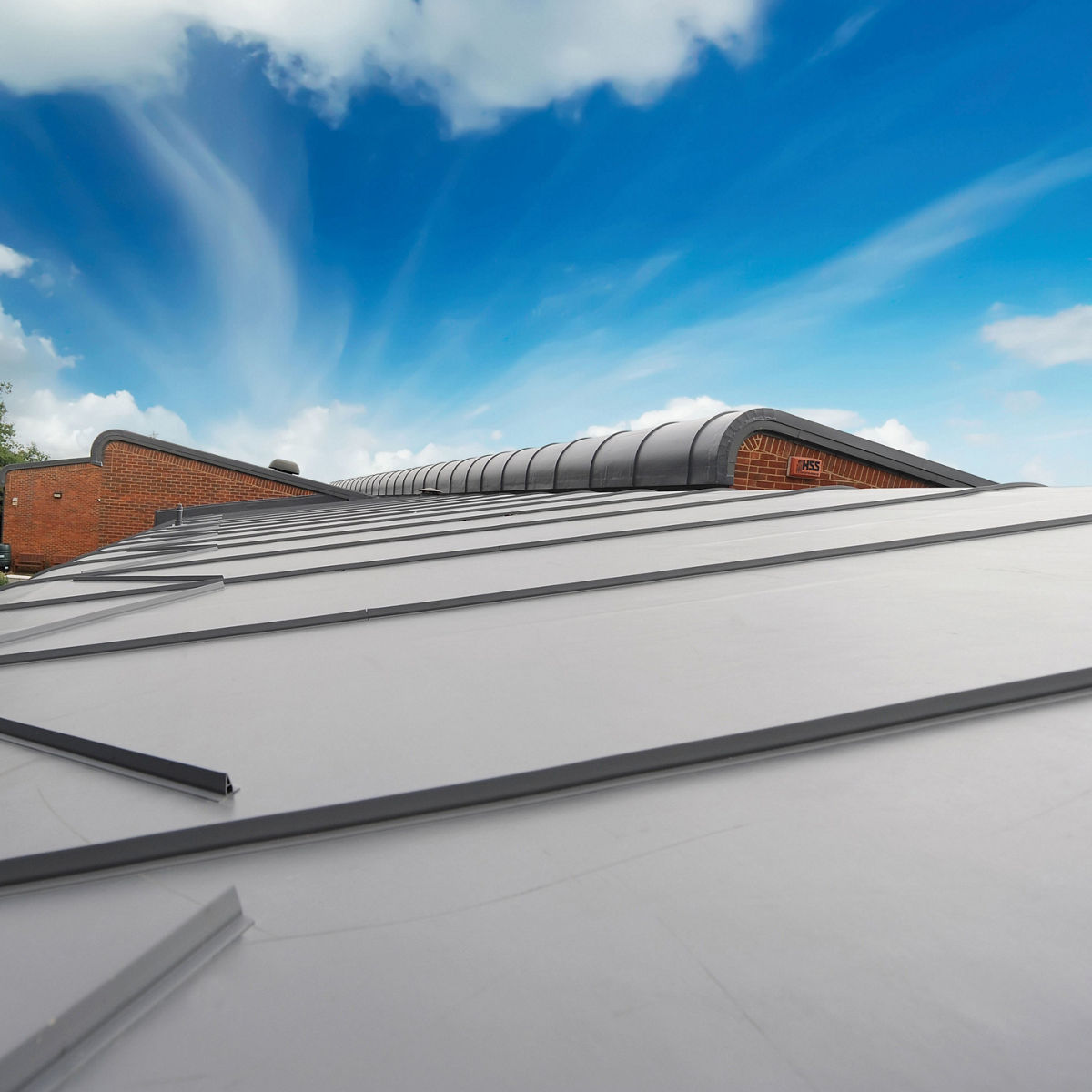
PVC (Polyvinyl Chloride) roofing is a popular thermoplastic roofing material used primarily for commercial and residential applications. Known for its durability and resistance to harsh weather conditions, PVC is one of the most reliable flat roofing options. It is highly flexible and offers superior waterproofing, making it an ideal choice for low-slope roofs.

Civoool Steel Structure
Markit Roof

Benefits of PVC Roofing

PVC roofing offers several key advantages that make it a top choice in commercial and residential construction. One of its main benefits is its impressive durability. PVC roofing can withstand high winds, hail, and extreme temperatures, providing long-lasting protection for your building. The material is also UV resistant, which helps prevent degradation caused by exposure to sunlight. PVC roofs are highly reflective, reducing the building’s cooling costs by reflecting heat away from the structure. In addition, PVC is resistant to most chemicals, making it ideal for buildings that are exposed to industrial pollutants or other harsh substances. Another benefit is that PVC roofs are lightweight, making them easier and quicker to install compared to heavier roofing materials. Additionally, PVC membranes are resistant to algae, mold, and mildew, reducing the risk of moisture-related damage and enhancing the roof's longevity.
PVC Roofing Installation Process

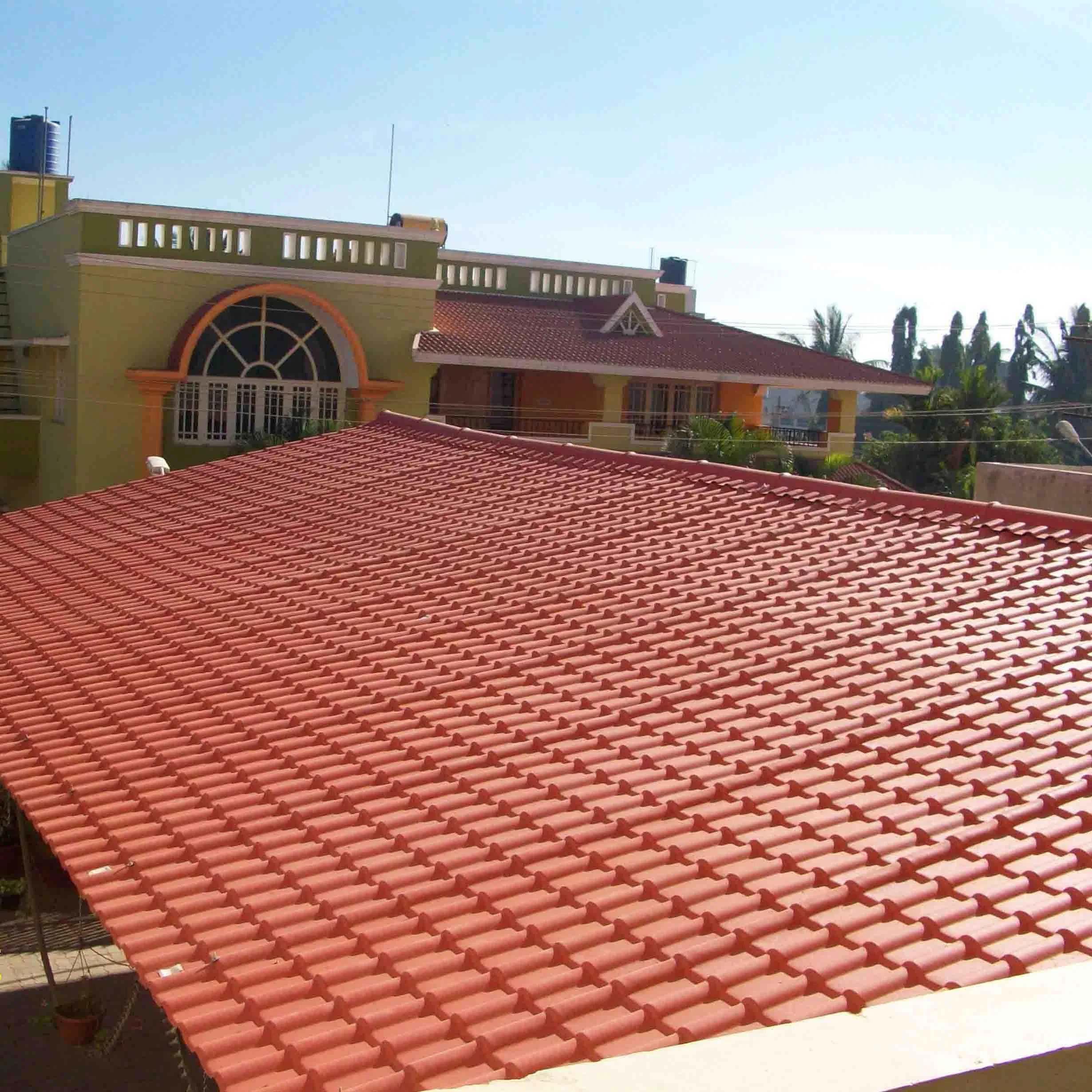
The installation of PVC roofing is a straightforward process that typically involves the use of large, heat-welded membrane sheets. The first step is to prepare the roof deck, ensuring the surface is clean and smooth for better adhesion. PVC membranes are then rolled out onto the roof surface and attached using adhesive, mechanical fasteners, or a combination of both. The seams between the sheets are welded together using a hot-air welding process, which ensures a strong, watertight bond. After the membrane is fully installed, all edges and transitions are carefully sealed to prevent water from entering. The installation process is fast, efficient, and requires skilled professionals to ensure the roof’s integrity and effectiveness. PVC roofing is often chosen for its ability to be installed quickly with minimal disruption, reducing labor costs and downtime for the building.

Civoool Steel Structure

Durability and Longevity of PVC Roofing

PVC roofing is renowned for its durability and long lifespan, which can range from 20 to 30 years with proper maintenance. The material is resistant to a wide range of environmental stressors, including UV radiation, extreme temperatures, and chemical exposure. PVC roofs are highly resistant to water penetration, making them ideal for areas with heavy rainfall or snowfall. Additionally, the welded seams of PVC membranes are far more durable than traditional glued or taped seams, reducing the likelihood of leaks over time. The material is also resistant to punctures, tears, and abrasions, making it a robust option for high-traffic areas or places where mechanical damage is a concern. With regular maintenance, a PVC roof can perform effectively for several decades, offering long-term protection and reliability. The ability of PVC to retain its shape and structure even under extreme conditions is a key factor in its popularity among building owners and contractors.

Cost-Effectiveness of PVC Roofing

While PVC roofing may have a higher initial cost compared to some other materials, it offers substantial cost savings in the long run. The durability of PVC roofing means fewer repairs and replacements, which translates into lower maintenance costs over time. Additionally, its high energy efficiency due to its reflective properties can significantly lower cooling costs, especially in hot climates. PVC roofing can also help reduce HVAC loads by maintaining a more stable indoor temperature, which can lead to overall energy savings. The quick installation process further reduces labor costs, making PVC a more cost-effective option when considering both the installation and ongoing maintenance expenses. When evaluated over the lifespan of the roof, the durability, low maintenance, and energy-saving benefits of PVC roofing make it a wise investment.

Environmental Impact of PVC Roofing

PVC roofing is an environmentally friendly option for those looking to reduce their carbon footprint. The reflective nature of PVC membranes helps to reduce the “urban heat island” effect by reflecting sunlight and lowering surrounding temperatures. This not only helps to reduce cooling energy usage but also mitigates the effects of global warming. Additionally, PVC roofing systems are 100% recyclable, making them a sustainable choice for buildings aiming for green certification. The material itself is non-toxic and does not release harmful chemicals into the environment during installation or use. PVC roofing membranes can be recycled at the end of their lifespan, reducing the amount of roofing material that ends up in landfills. Some manufacturers even use recycled content in their PVC membranes, further enhancing the sustainability of the roofing system.

Maintenance and Care for PVC Roofing

PVC roofing is one of the easiest materials to maintain, requiring only occasional inspections and cleaning to ensure optimal performance. Regular checks for damage, such as punctures, tears, or loosened seams, are essential to identify and address any issues before they lead to leaks. Cleaning PVC roofing is also straightforward, as the material is resistant to moss, algae, and dirt buildup. A gentle wash with water and mild detergent is often enough to keep the surface free from debris. It’s important to ensure that the roof’s drainage system is working properly, as clogged gutters or drains can cause water pooling, which could lead to damage. In colder climates, removing any accumulated snow or ice will help prevent the roof from becoming overloaded. Although PVC roofs are low-maintenance, keeping an eye on seams and ensuring that they remain welded and intact will help extend the roof’s lifespan.

img
Icon

Roof Plumbing

Roof plumbing candescribed as any work that includes renovating,

img
Icon

Quality Material

Using quality materials is an essential factor in Protecting your roof

img
Icon

Expert Engineer

Overall, hiring an expert Engineer is an essential Step in protecting your

Ready to Start Your Project?

Our commercial roofing services will be expert, professional, and reliable and would be your partner in securing your business.

Testimonial

What Clients Say About Us

WHY CHOOSE US

Need a Reliable Roofing Partner?

We are your reliable partner to do all the commercial roofing related work in case of professional assistance that will guarantee the success of your business.

Book Roof solutions

    FAQs

    A PVC roof typically lasts between 20 to 30 years, with proper maintenance and care.

    Yes, PVC roofing is highly resistant to UV radiation, which helps it maintain its integrity and prevent degradation over time.

    PVC roofing can be installed in cold weather, but the installation process may be slightly more challenging, and extra precautions should be taken to ensure proper adhesion and sealing.

    PVC is generally more durable and resistant to chemicals, while TPO is a newer material that offers similar benefits but may not have the same long-term track record. PVC is often favored for its superior UV resistance and heat-welded seams.

    Yes, PVC roofing is highly energy-efficient due to its reflective surface, which reduces cooling costs by reflecting sunlight and heat away from the building.

    PVC roofing requires minimal maintenance, primarily consisting of periodic inspections and cleaning. Keeping seams intact and checking for any damage can help extend the roof's lifespan.