Comflor 60 Deck Profile

Adding a floor to a steel building does not necessarily require heavy formwork and thick concrete. The ComFlor 60 deck profile is a 60mm steel deck that works as both the mould and the reinforcement for a composite floor. It extends farther with less concrete, goes down faster, and creates a floor that is stronger and lighter than a slab poured on its own.

What Is the Comflor 60 Deck Profile?

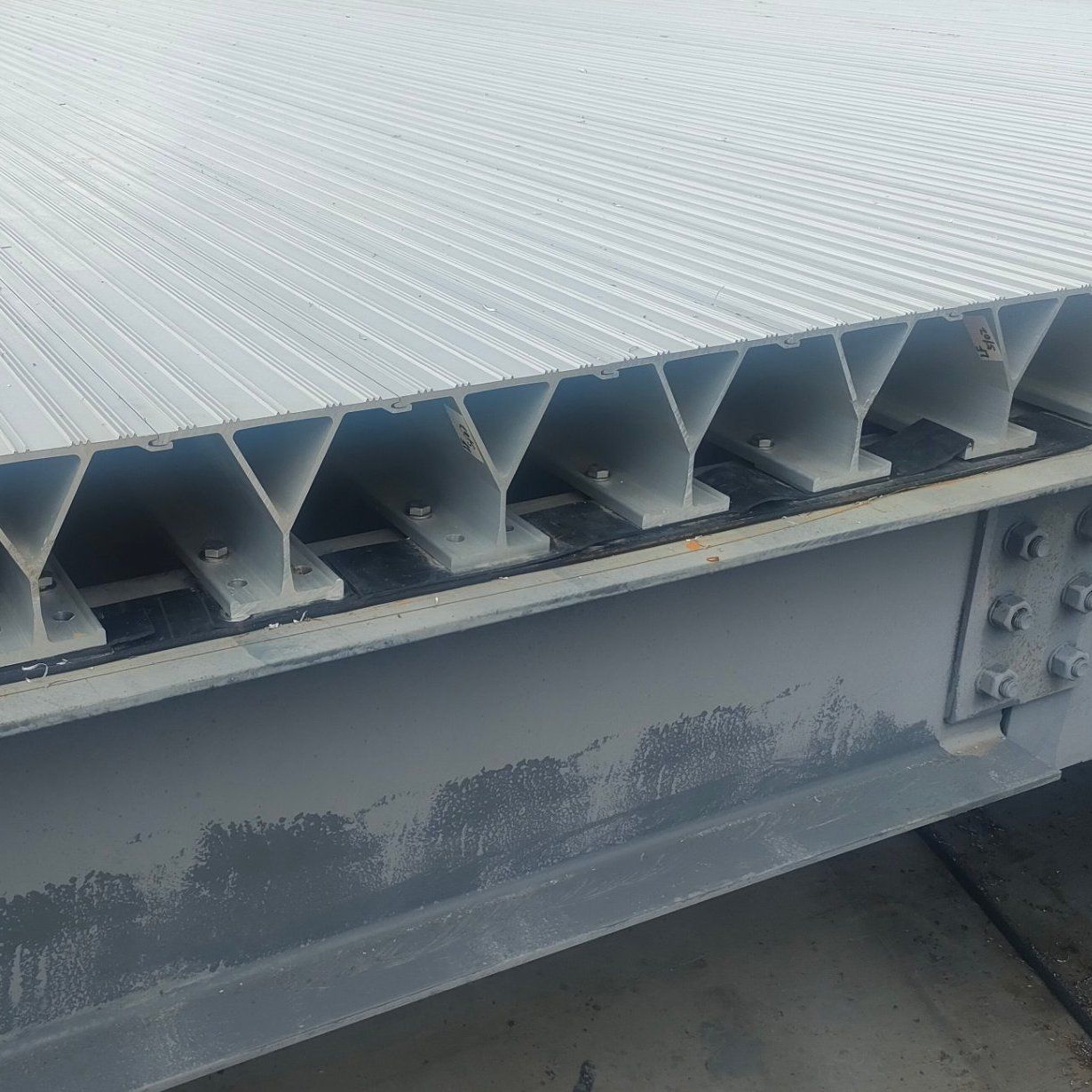
The ComFlor 60 deck profile is a roll-formed galvanised steel sheet, 60mm deep, used to build the upper floors and mezzanines of steel buildings. It belongs to a family of composite decks, meaning the steel sheet and the concrete poured on top of it are engineered to act together as a single structural floor rather than as two separate layers. What sets ComFlor 60 apart is its geometry: a combined trapezoidal and re-entrant profile with distinctive round shoulders. This shape is not decorative. It resists the compressive buckling that limits plainer decks, so the sheet spans further between beams while using less steel. With a 600mm cover width, each sheet covers ground quickly, and the galvanised coating protects the steel for the life of the floor. It has become one of the most widely specified shallow floor decks precisely because that profile does so much structural work in only 60mm of depth.

Why the Round-Shouldered Profile Matters

The strength of ComFlor 60 lives in the shape of its ribs. A flat or shallow deck buckles under load and cannot span long distances, so it requires closely spaced beams to support it. The ComFlor 60 profile answers this with a combined geometry: trapezoidal ribs give it depth and stiffness, while re-entrant, dovetailed sections lock mechanically into the concrete above. The rounded shoulders resist compressive buckling far better than a conventional trapezoidal deck, which unlocks its long-span capability, allowing spans of several metres unpropped and without temporary supports underneath while the concrete is wet. Longer spans mean fewer supporting beams, which cuts the amount of structural steel the building needs and lowers cost. The re-entrant troughs do double duty: they grip the concrete so slab and deck cannot slip apart, and they create channels from which building services can be hung without drilling.

Three Jobs in One Installation

On site, a ComFlor 60 floor is built in a sequence where the same sheet performs three roles in turn. First, once the decking is laid and fixed across the steel beams, it becomes a safe working platform, giving the trades a solid surface to work from before any concrete arrives. Second, when the concrete is poured, the deck acts as permanent formwork, holding the wet mix in place with no temporary shuttering to erect and later strip out. Because the profile is designed to span unpropped, there are often no props cluttering the floor below, so other work can continue underneath while the slab is cast. Third, once the concrete cures and bonds to the deck, the steel becomes permanent tension reinforcement for the finished slab. This three-in-one role eliminates the need for whole steps in traditional floor construction, which is why composite decking is much faster to build than a conventionally formed and reinforced concrete floor.

Composite Action and Fire Performance

The real engineering of a ComFlor 60 floor is in how steel and concrete share the work. Concrete is strong in compression but weak in tension; steel is the reverse. In a composite slab, the steel deck sits at the bottom of the floor, taking the tensile forces where the slab wants to stretch, while the concrete above carries compression where the floor is squeezed. Each material works exactly where it is best, so the floor is stronger and stiffer than either could be alone. Shear studs welded through the deck onto the supporting beams extend this teamwork to the steelwork, tying slab and beam into a single composite member. Fire performance is engineered in too: with the correct slab depth and mesh or bar reinforcement, a ComFlor 60 floor achieves rated fire resistance, and its closed-end design supports both fire and acoustic performance while keeping installation clean and simple.

Why Choose the ComFlor 60 Deck Profile

Choosing a floor deck shapes the cost, weight, and build speed of every storey above the ground floor. For multi-storey steel buildings and mezzanines, the ComFlor 60 deck profile has become a default choice for structural, practical, and economic reasons. Its advantages compound across a whole building, which is why it is so widely specified.
 

Long Spans, Less Steel

The headline benefit of ComFlor 60 is its span. Its buckling-resistant, round-shouldered profile carries load over longer distances unpropped than a plainer deck can manage. Longer spans mean the floor needs fewer supporting beams, and fewer beams means less structural steel in the frame beneath. That saving ripples down through the entire structure; lighter floors allow lighter framing and smaller foundations, so the deck’s economy is felt far beyond the floor itself. For a multi-storey building, where the floor system repeats on every level, this efficiency multiplies into significant material and cost savings.

Lower Concrete Volume and Dead Load

The profile is shaped to need less concrete for a given slab depth than traditional decks. Less concrete means a lighter wet load during the pour and a lighter permanent floor once cured. This reduced dead load feeds straight back into the structure: lighter floors demand less of the beams, columns, and foundations that carry them. It also means less concrete to buy, transport, and pour, which reduces both costs and the floor’s environmental footprint. In a tall building with many floors, trimming the weight and concrete of each slab produces savings that grow with every storey.

Faster, Cleaner Construction

Because a single deck serves as platform, formwork, and reinforcement, it eliminates entire stages in conventional floor construction. There is no separate shuttering to erect and strip, and with unpropped spans there are often no props obstructing the floor below, so trades can work underneath while the slab above is cast. The 600mm cover width lets crews cover large areas quickly, and the sheets are light enough to handle and fix rapidly. This speed keeps a multi-storey programme moving floor by floor, which on a commercial build directly shortens the overall construction timeline.
 

A Floor Built for Real Buildings

Beyond raw structure, ComFlor 60 suits the way buildings are actually used. The re-entrant troughs let services be hung from the soffit without drilling, so ceilings, ducts, and cabling attach easily. With the right detailing, the floor meets fire and acoustic requirements, and the galvanised steel resists corrosion for the long term. Shear studs guarantee the composite bond to the beams with minimal on-site checking. Together these details make it a floor that is not only efficient to build but dependable to live with once the building is in service.
Taken together, long spans, low weight, fast construction, and practical in-service performance make the ComFlor 60 deck profile a genuinely efficient floor solution. It is the deck that lets steel buildings gain storeys without gaining unnecessary weight, cost, or build time.


Ready to Start Your Project?

Get in touch today for a FREE consultation and customized quote.

FAQs

1. What does the ComFlor 60 deck profile do?
It is a 60mm composite steel floor deck that performs three roles: a safe working platform during construction, permanent formwork that holds the wet concrete, and tension reinforcement once the concrete cures and bonds to it. Steel and concrete then act together as one composite floor.
The combined trapezoidal and re-entrant shape resists compressive buckling far better than a plain deck, allowing it to span farther unpropped. Longer spans require fewer supporting beams, reducing structural steel and building costs. The troughs also grip the concrete and allow services to be hung.
Concrete resists compression well but is weak in tension; steel is the opposite. The deck sits at the bottom of the slab, taking tension while the concrete above takes compression, so each material works where it performs best. The result is stronger and lighter than concrete alone.
Yes. Its profile requires a lower concrete volume for a given slab depth, which reduces both the wet load during the pour and the permanent dead weight of the floor. That lighter load lets the supporting beams, columns, and foundations be more economical.
It is used for the upper floors and mezzanines of multi-storey steel buildings, where fast, lightweight, long-spanning composite floors are needed. It suits commercial, residential, and mixed-use steel structures that add storeys above the ground level.

Need a Reliable Steel Structure?

Connect with our experts today to get your project started hassle-free.