PEB Project Management Services

The Real Reason Steel Projects Slip Schedule

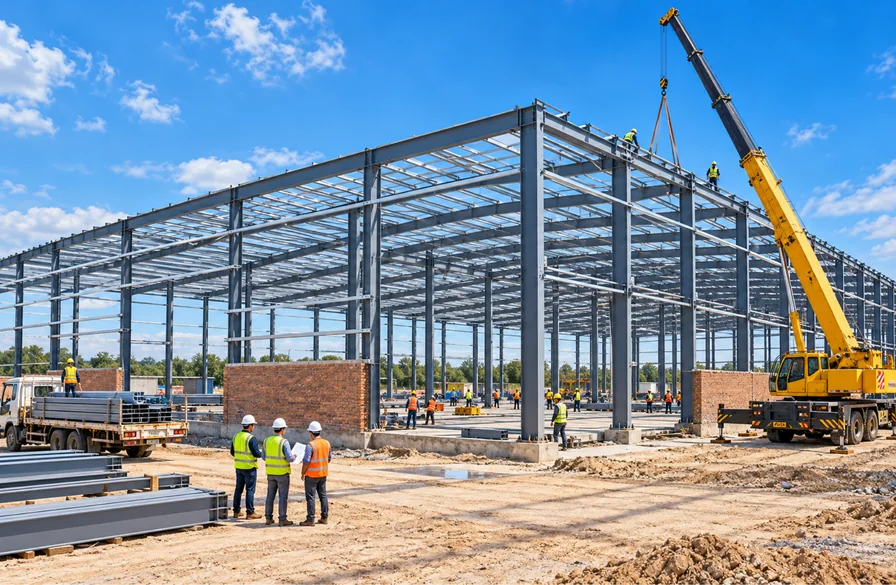
Our PEB project management services exist because a steel building rarely fails on the steel. It fails at the handoffs: the foundation cures late, the fabrication ships before the civil is ready, or the crane arrives with no laydown area. Each party does its part, and the project still slips weeks.
 
Project management is the discipline of owning those seams. One team holds the master schedule, sequences design, procurement, civil, and erection against it, and chases down dependencies before they become delays. That is the difference between a build that lands on the committed date and one that drifts.

Four Workstreams That Cannot Fall Out of Sync

A PEB build runs four workstreams at once, and they only work if they interlock. PEB construction management means holding all four against a single critical path so no stream races ahead of the one it depends on. The streams are simple to name and genuinely hard to keep aligned once real site, real weather, and real supplier dates start pulling them out of step.
Get the sequence right, and the streams feed each other: anchor bolts set to the design, steel shipped to match the civil, crane booked for the day the frame is ready. Get it wrong, and you pay twice, once in idle labour and again in rework. Strong steel building project coordination is mostly about protecting that order under the real pressure of a live site.

One Contract, One Name Answerable for the Outcome

The core of a turnkey PEB project is single-point responsibility. When design, fabrication, civil, and erection are under one contract, there is no gap for a problem to fall through the cracks and no vendor to blame the next. If an anchor bolt layout clashes with the footing, the same team that drew it fixes it, and the schedule absorbs the change in hours rather than a week of emails between separate firms.
 
That single-point-of-contact contractor model also fixes the money. Split a project across a fabricator, a civil contractor, and an erection crew and every interface becomes a variation claim. Under one contract, the interfaces are internal, so cost certainty holds. You approve a scope and a schedule, and one team is answerable for both.

What We Take Ownership Of, Start to Handover

01

Master Schedule

One critical path links design, procurement, civil, and erection, so no stream starts before its dependencies are ready.

02

Interface Control

Every handoff between the streams is tracked and resolved early, so a civil delay never quietly stalls the fabrication.

03

Cost Discipline

A locked scope and a single contract keep interface variations out, keeping the budget you signed off on right from the start.

Walking Through a Managed PEB Build, Stage by Stage

A managed project opens before any steel is ordered. We fix the scope, confirm the loads and layout, and build a PEB project schedule that ties every stream to a critical path. Long-lead items are identified first, because a late roof sheet or a delayed crane booking sinks a schedule faster than any drawing revision. From there the plan drives everything, and each stream reports against it rather than against its own convenience.

Keeping Civil Works and Steel Erection in Lockstep

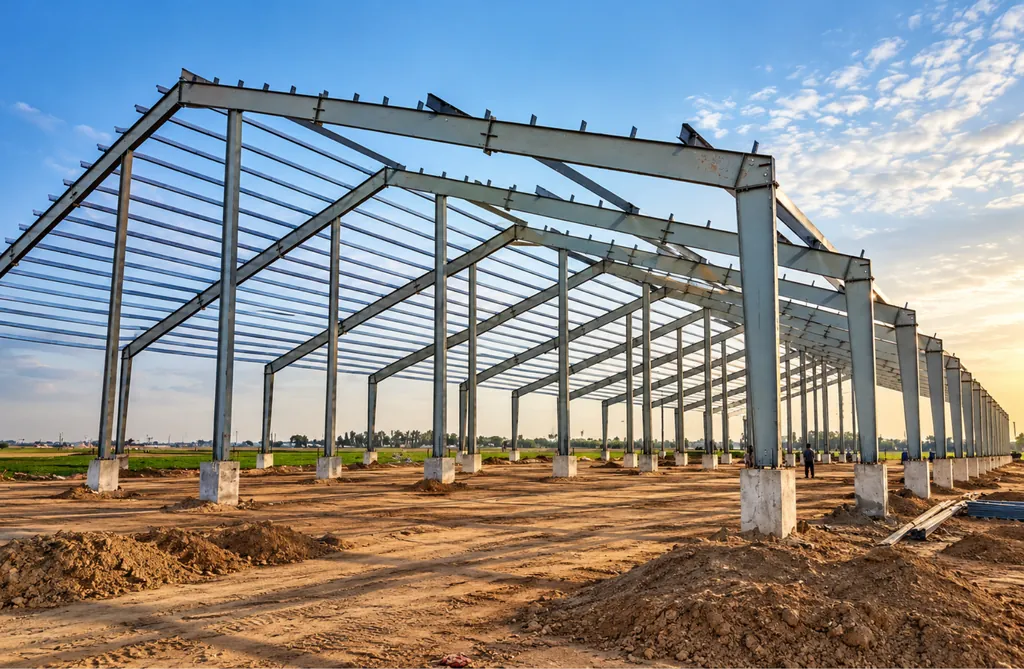
The riskiest seam in any PEB build is where concrete meets steel. Civil and steel coordination starts with the anchor bolt layout: the fabrication reactions must reach the foundation contractor early, and the bolts must be set to millimetre tolerance before columns arrive. A group of anchor bolts fifteen millimetres out of position turns a clean two-day column set into a week of packing and re-drilling. Managing that interface, rather than assuming two contractors will sort it out, is where a project is won or lost.

Sourcing Material and Moving It to Site on Time

PEB material procurement is as much a scheduling problem as a buying one. Steel, purlins, sheeting, fasteners, and insulation all have different lead times, and they must land in the order the erection crew installs them, not all at once in a yard with no space. Good PEB project management services stage deliveries to the erection sequence, inspect each consignment on arrival, and keep the site clear so the crane never waits on a truck and the crew never waits on a missing box of bolts.

Four Controls That Stop a Build Drifting

Long Lead Item Tracking

Roof sheets, cranes, and specialist fasteners carry the longest lead times. We order and track these first, so the critical path never stalls waiting on an item that should have been placed weeks earlier.

Risk and Weather Buffers

Monsoon rain, high wind days, and material delays are foreseeable, not surprises. We build real buffers into the erection sequence so one bad weather week does not cascade into a month of slipped milestones.

Quality Hold Points

Inspection is scheduled, not improvised. Foundation, anchor bolts, main frame plumb, and cladding each get a hold point, so a defect is caught and corrected before the next stream builds on top of it.

Handover and Commissioning

The project ends at a working building, not a pile of erected steel. Project handover and commissioning covers final checks, snag closure, and the documentation the owner needs before the facility goes live.

What Really Sets Your Project Timeline

Programme length tracks complexity and dependencies, not floor area alone. A clean rectangular shed with a simple foundation moves fast; add cranes, mezzanines, deep foundations, or a live site running alongside the build, and every stream gains constraints. The honest number comes from the critical path, not a brochure. We would rather commit to a date we can hold than promise a fast one we cannot, because a missed handover costs the owner far more than a realistic programme ever does.

Holding the Budget From Order to Handover

PEB project cost control is mostly about preventing variations, not squeezing rates. Most overruns come from interface gaps: a redesign because civil and steel were not coordinated, idle labour waiting on late material, rework from a missed inspection. Managed under one contract, those gaps close, and the budget you approved is the budget you pay. A credible turnkey steel building contractor shows you where the money sits and flags risks before they become claims, rather than after.

Site Failures We Manage Out Before They Happen

Most troubled PEB builds repeat the same errors: steel fabricated before the civil design is frozen, anchor bolts set without the reaction schedule, no laydown plan so deliveries choke the site, and no buffer for the weather. Each is a management failure, not a materials one. A realistic PEB project timeline with tracked dependencies and staged logistics removes them before they start, which is the whole point of managing a project rather than merely supplying to it.

Hand Your Next PEB Build to Civoool

Because Civoool designs, fabricates, and erects under one roof, the schedule is built and owned by the same team that executes it. If you have a project in mind, even at the footprint stage, share the scope and our team will map the streams, the long-lead items, and an honest programme to handover before anything is committed.
Testimonial

What Clients Say About Us

FAQs

They cover the full build under one plan: a master schedule linking design, procurement, civil, and erection; interface control between those streams; staged logistics; scheduled quality hold points; and handover with commissioning. The aim is single-point accountability for the date, the cost, and the finished building.

A turnkey steel building contractor takes the project from concept to a working facility under one contract: design, fabrication, material supply, civil coordination, erection, and handover. Because every stream sits with one team, there is no gap for vendors to hide delays or costs, and you deal with a single contact throughout.

PEB project cost control comes from closing interface gaps, not cutting corners. Most overruns are variations born where separate contractors meet: redesigns, idle labour, and rework. Under a single contract, those interfaces are internal, the scope is locked, and the budget you approve holds from start to finish barring genuine client changes.

The PEB project timeline is set by the critical path, not the floor area. Long-lead items like roof sheets and crane availability, foundation curing, and dependencies such as steel following the civil all drive it. Cranes, mezzanines, or a live operating site add constraints. A credible schedule comes from mapping these, not a brochure figure.

Because the seam between concrete and steel is where PEB projects fail most. Civil and steel coordination means that fabrication reactions are shared with the foundation contractor early, and anchor bolts are set to tolerance before columns arrive. Managed apart, a fifteen millimetre bolt error can cost a week; managed together, it is caught before site.

Our Services

Ready to Start Your Project?

Get in touch today for a FREE consultation and customized quote.