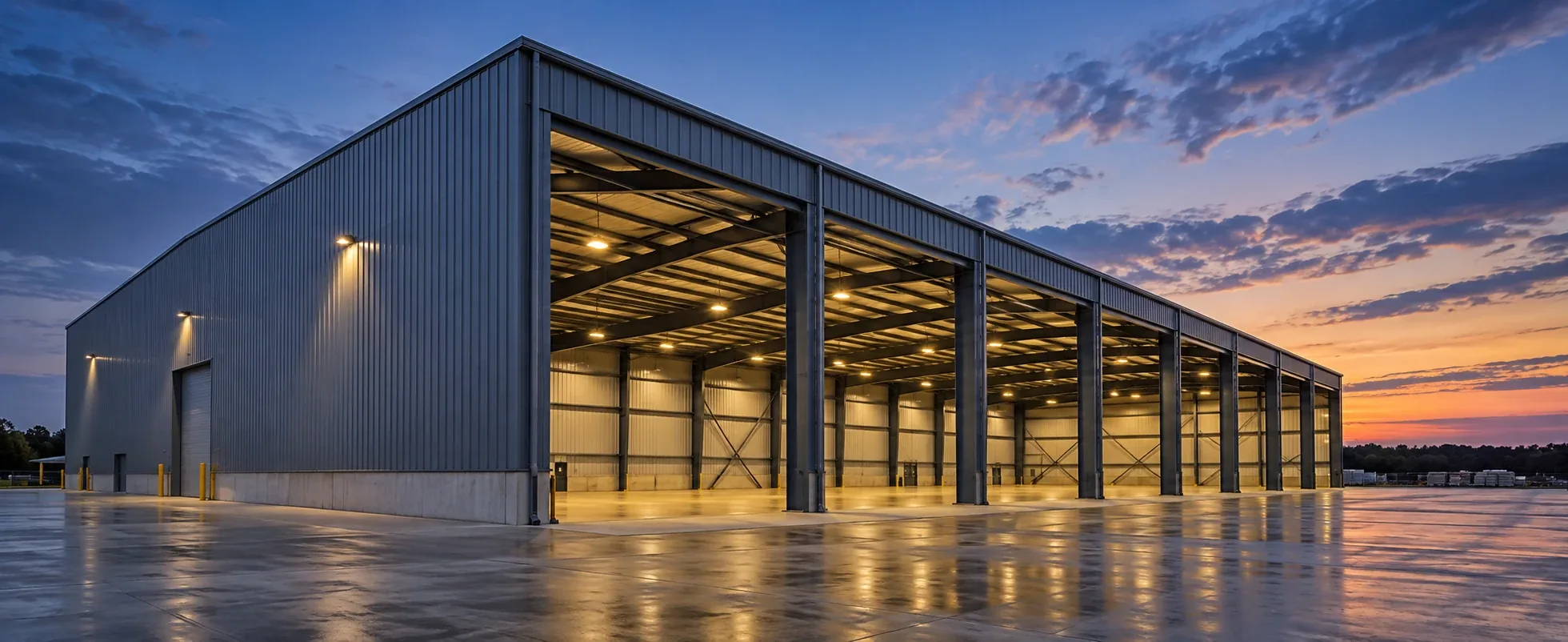
CIVOOOL Steel (Pvt) Ltd delivers Pre-Engineered Steel Buildings with 12+ years' expertise and 500+ projects. Offering end-to-end solutions
MAINTENANCE & AFTER-SALES
Support That Goes Beyond Handover.
Keep your steel building performing at its best. Our maintenance and after-sales services help you protect your investment and ensure long-term peace of mind.
Our relationship doesn’t end at handover. Civoool Steel Buildings provides ongoing maintenance and after-sales support to keep your facility safe, functional and ready for what’s next. From routine inspections to timely repairs, our team is here to help you get the most from your steel building — year after year.
Our after-sales support is designed to make building ownership simpler and more worry-free. We take a practical, responsive approach to maintenance, so you can focus on your business while we help keep your facility in great shape.
Experienced Support Team
Practical Solutions
Timely Response
Focus on Long-Term Value
REQUEST SERVICE
Get Maintenance Support
Share a few details and our team will get back to you shortly to discuss your requirements.
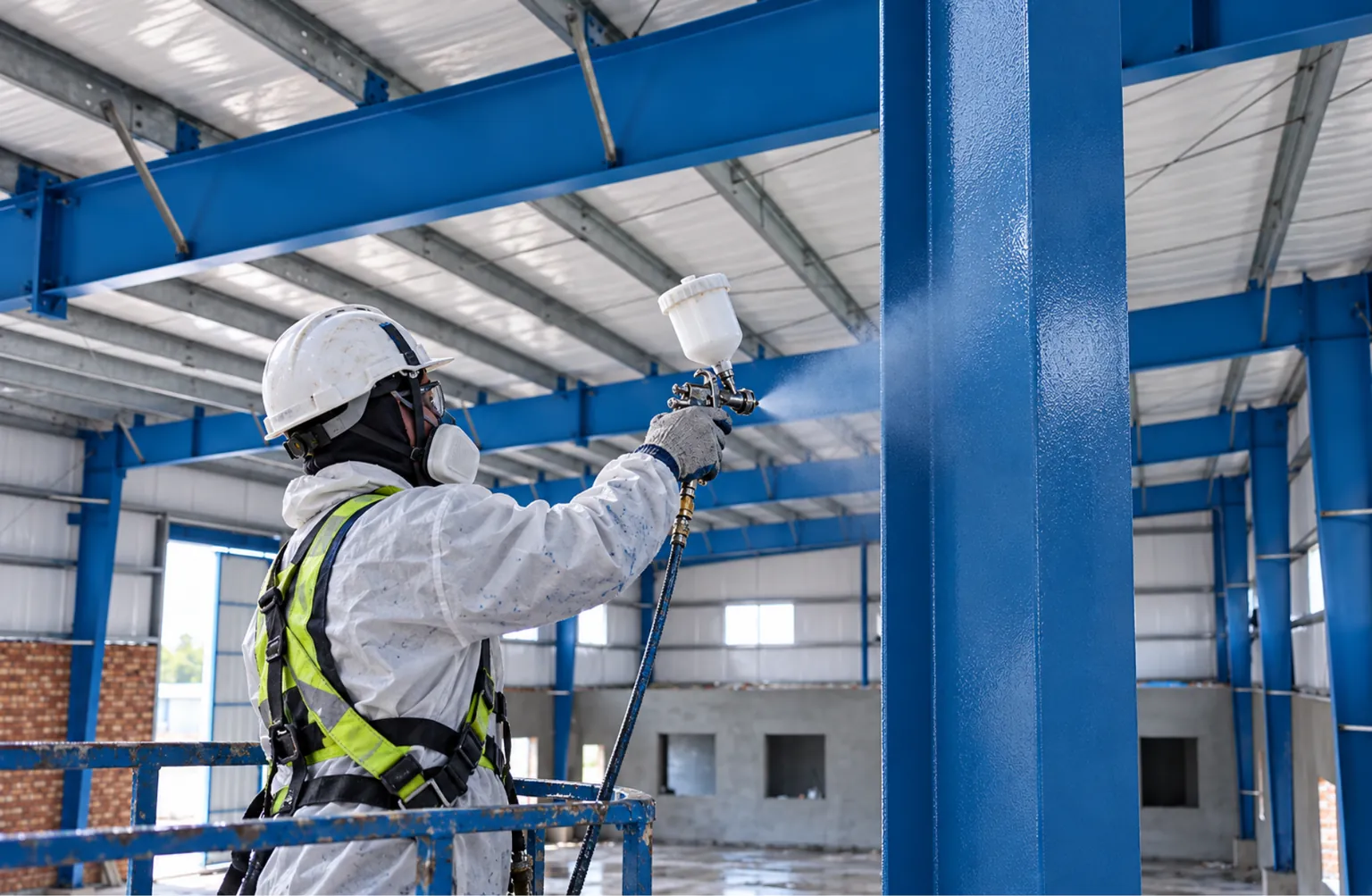
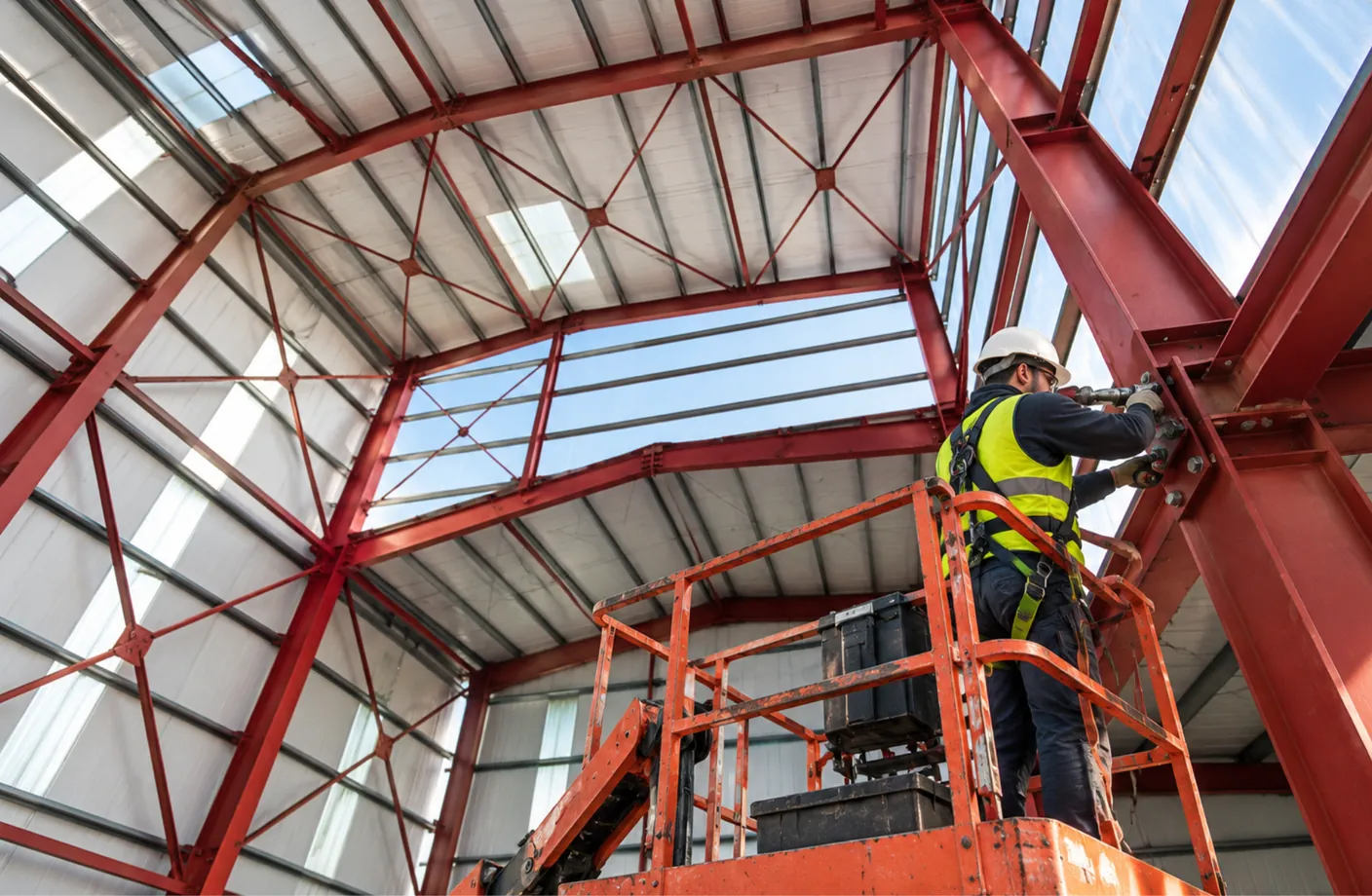
We provide structural inspections, roof and cladding maintenance, protective coatings, and repairs and upgrades. Contact our team to discuss your building’s requirements.
Inspection frequency depends on the building’s use, condition, environment and maintenance requirements. Our team can help agree on a suitable inspection schedule.
Our maintenance services include inspections and repairs for roofing and wall cladding systems. Share the details of your issue when requesting service.
KEEP YOUR BUILDING PERFORMING
Need Maintenance Support?
Talk to our team about your building. We’ll help you plan the right maintenance and after-sales solutions for your needs.