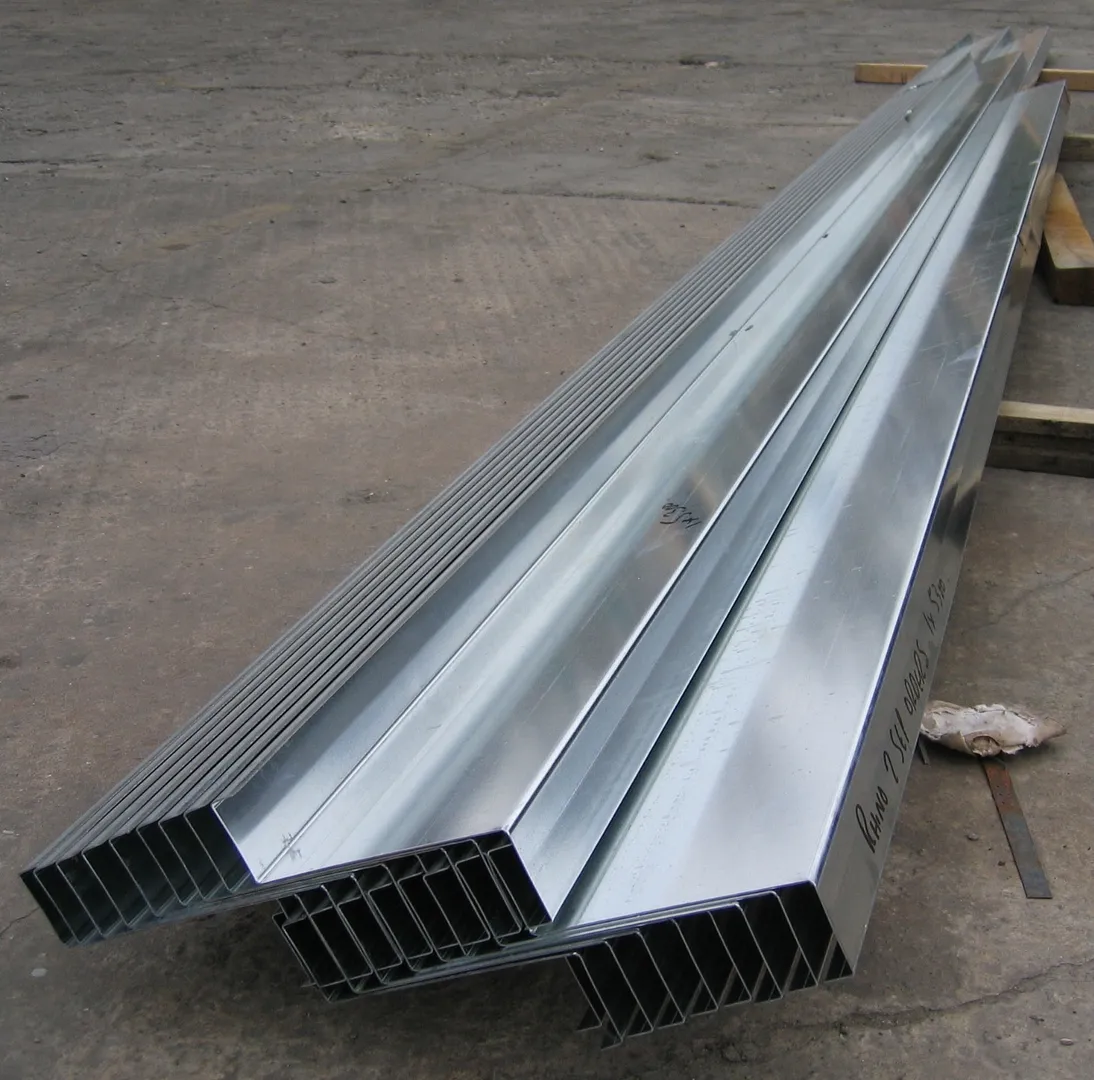
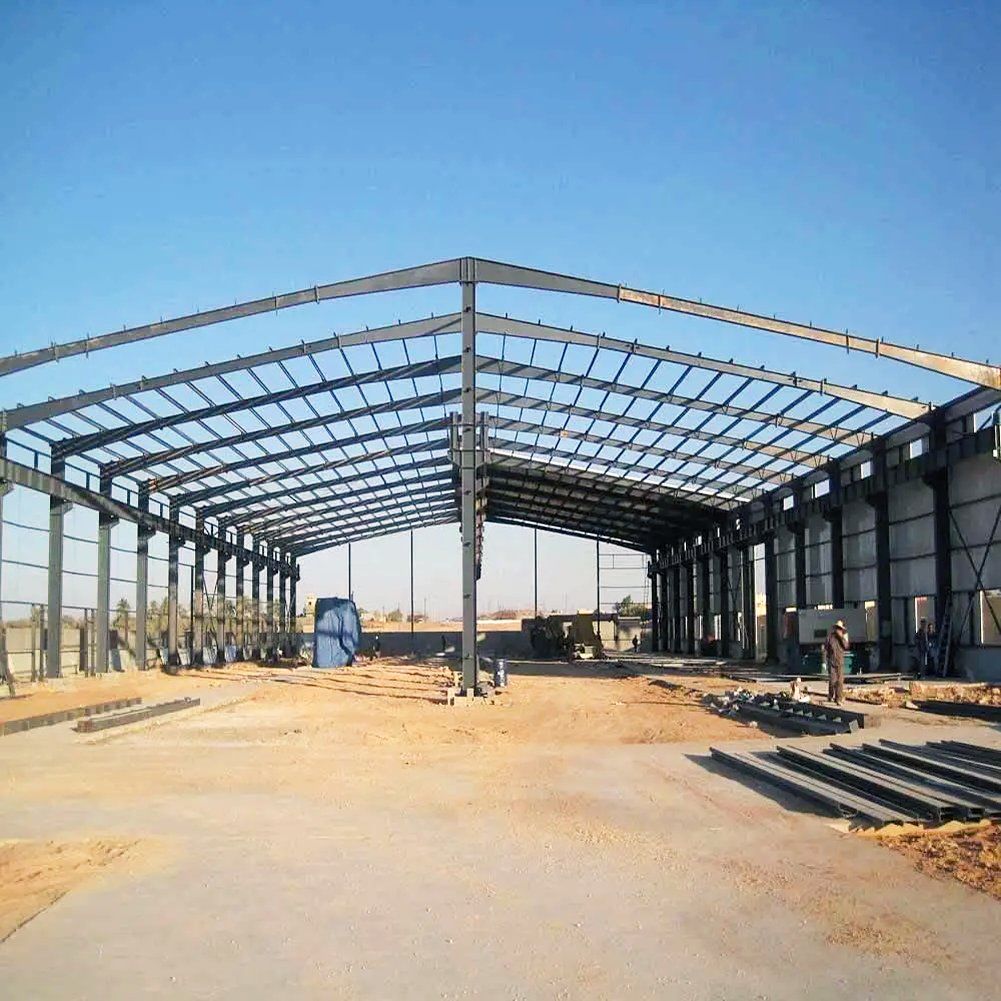
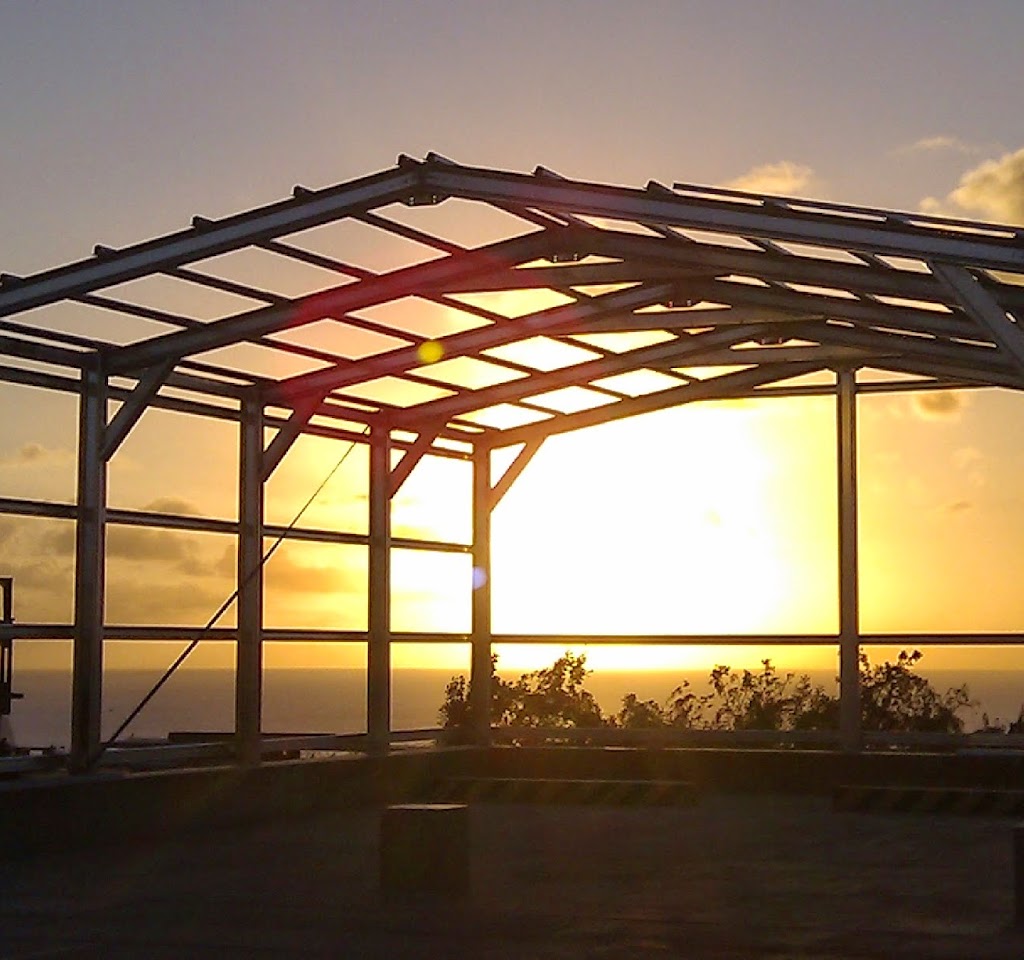
It is easy to focus on the big steel: the columns and rafters that give a building its shape. But those primary members would carry nothing to the roof without the secondary framing that spans between them. C and Z purlins are part of the framing, and though each section is light, collectively they determine how efficiently the whole envelope performs. Their value shows up in cost, speed, and structural logic.
Efficiency Through Cold Forming
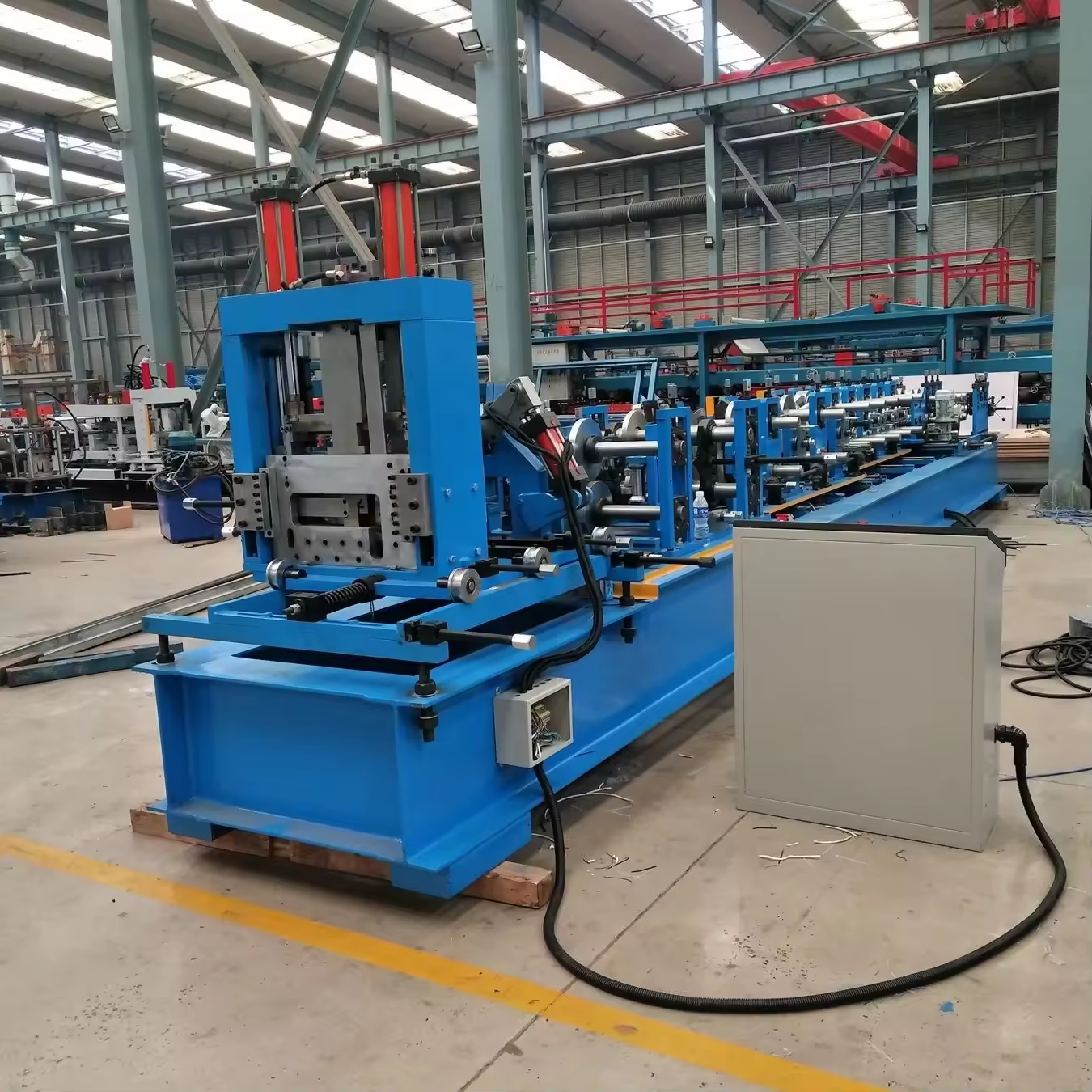
The great advantage of a cold-formed purlin is the strength it delivers relative to its weight. By roll-forming thin steel coil into a shaped C or Z section, the material is placed exactly where it resists bending best, so a light member spans a surprising distance. This weight efficiency ripples through the whole building: lighter purlins mean less steel to buy, transport, and lift, and they impose a lower load on the primary frame beneath them, which can then be sized smaller. For a large roof carrying hundreds of purlins, that compounding saving is significant, and it is a central reason cold-formed secondary framing dominates modern steel building.
Continuity That Saves Steel
The lapping of Z sections turns a set of separate spans into a single continuous beam, and that changes the structural mathematics in the designer’s favour. A continuous purlin carries load more efficiently than a simple span, lowering the peak bending forces, while the doubled steel at the laps reinforces the exact point where those forces concentrate. This allows the engineer to specify a lighter section than a non-continuous system would require. It is a neat piece of structural economy, achieved with nothing more than an overlap and a few bolts, and it directly reduces the steel tonnage in the roof.
Fast, Bolted Assembly
Purlins arrive pre-punched with holes and slots in defined patterns, so erecting the secondary framing is largely a matter of lifting sections into place and bolting them to cleats on the primary frame. There is no site welding, no drilling, and no guesswork. This speed matters on a build programme, because the roof and wall cladding cannot go on until the purlins and girts are up. Getting the secondary steel erected quickly and accurately keeps the whole envelope on schedule and gives the cladding crews a clean, ready surface to fix to.
The Foundation for the Cladding
Ultimately, every roof sheet and wall panel on the building is fixed to a purlin or girt. The spacing, depth, and strength of these members determine how the cladding performs against wind uplift, how far the sheets can span, and how firmly the envelope is anchored to the structure. Get the secondary framing right, and the roof stays tight and secure for decades; get it wrong and no quality of sheeting can compensate. That is why C and Z purlins, quiet and unglamorous as they are, sit at the heart of a sound steel building.
Together, weight efficiency, structural continuity, fast assembly, and their role as the cladding’s foundation make C and Z purlins essential to economical, durable steel construction. They are the light framing that lets a heavy building work.