Why Choose Gantry Laser Cutting for Your Project
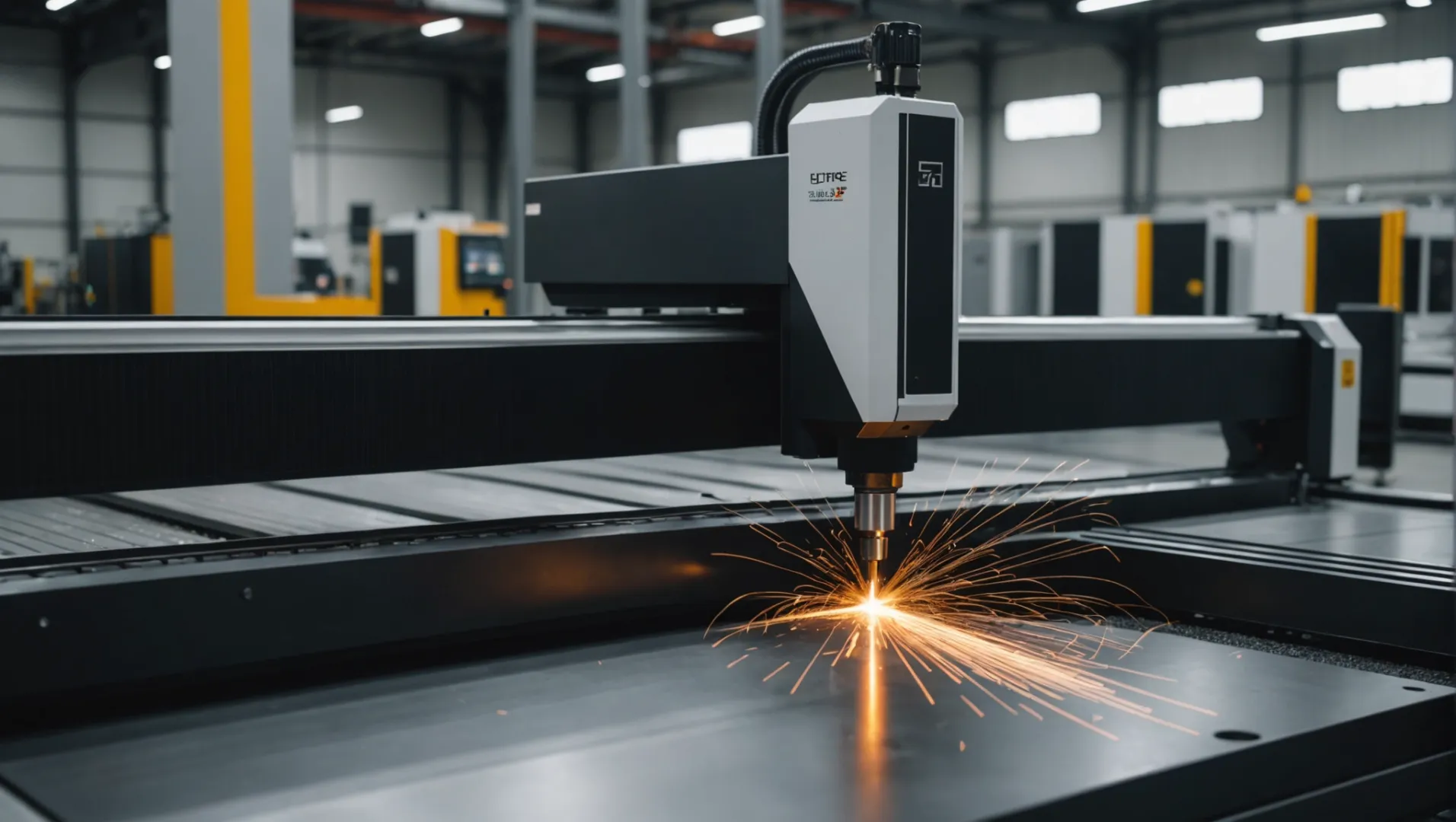
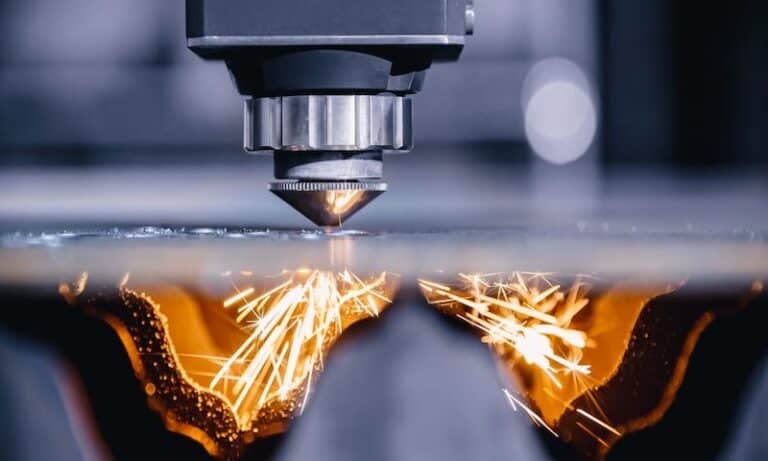
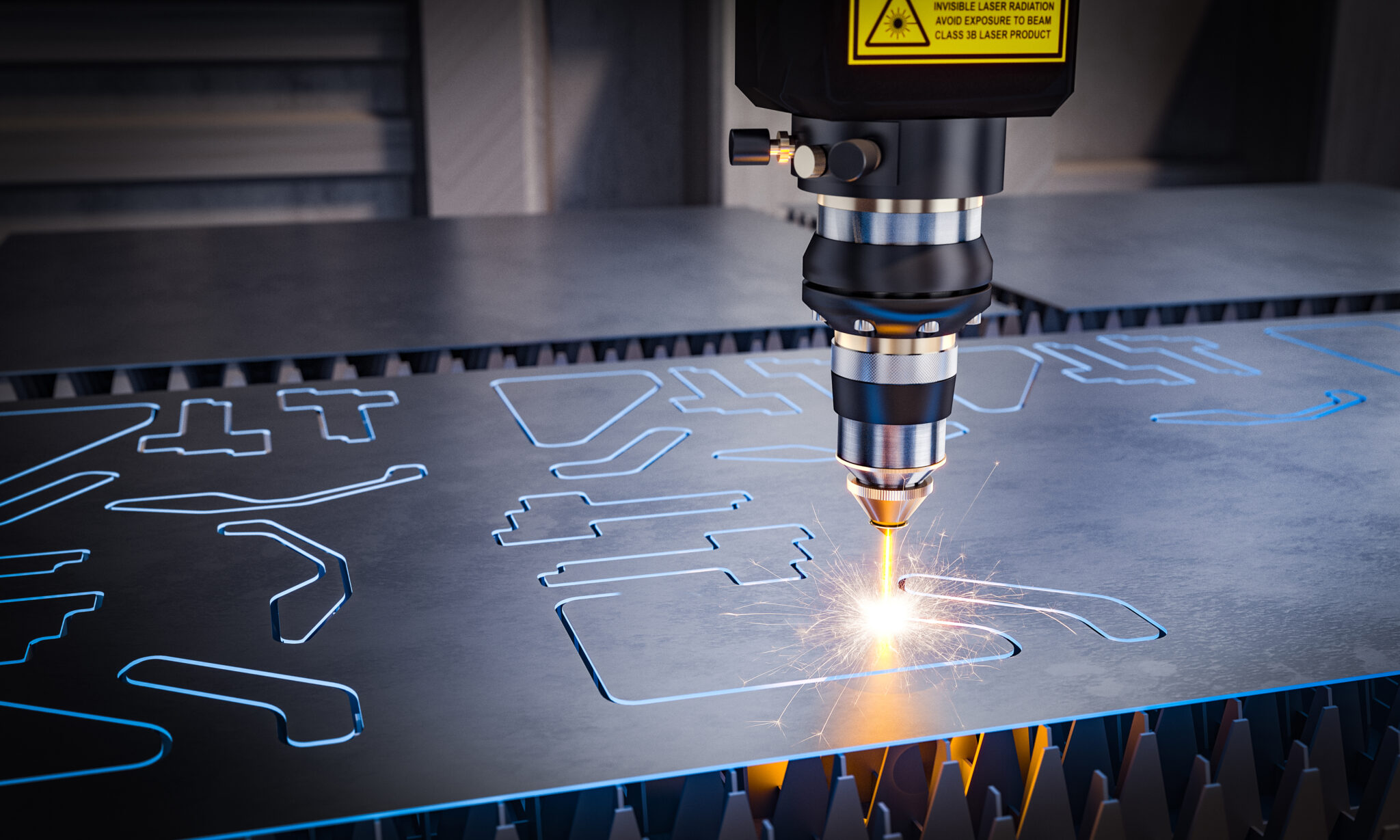
Selecting the right cutting technology directly shapes the quality, cost, and timeline of a steel structure project. Gantry laser cutting stands out because it pairs the reach of a large-format gantry with the surgical precision of a focused laser beam, giving fabricators a single solution for both scale and detail. That balance is exactly what modern pre-engineered building projects demand.
Superior Precision and Repeatability
Every structural component must fit its neighbours exactly for a building to stand true and safe. Gantry laser cutting maintains tolerances of ±0.05 mm to ±0.1 mm, ensuring plates, brackets, and connection pieces meet their design intent. Once a cutting program is set, the machine reproduces the same part hundreds of times without drift. This repeatability eliminates the inconsistencies of manual marking and flame cutting and guarantees that a bolt group cut on part one lines up with the mating plate cut on part five hundred. For frames assembled from many identical members, that uniformity protects the integrity of the finished structure and keeps site crews from chasing misaligned holes.
Faster Production and Reduced Waste
Speed matters when construction deadlines are tight. The gantry moves rapidly across wide sheets, cutting many parts in a single setup and removing the delay of repositioning heavy plate. Nesting software arranges components tightly on each sheet, lifting material yield and shrinking offcuts, which matters when steel plate is a major line item. Less scrap means lower material cost and a leaner workflow. Combined with high cutting speeds on thin and mid-gauge steel, this efficiency shortens lead times and helps projects stay on schedule without compromising the quality of any single part.
Clean Edges and Lower Finishing Costs
The focused beam produces smooth, square edges that need little to no secondary grinding or deburring. A clean cut welds faster, holds coating better, and looks more professional in the finished frame. By reducing the labour required for post-processing, gantry laser cutting lowers total fabrication costs while raising the standard of parts. Edges come off the table with a narrow heat-affected zone and minimal dross, ready for the next stage, so the production line keeps moving instead of stalling at a grinding bench.
Flexibility Across Complex Designs
Modern steel structures often call for intricate profiles, custom openings, and non-standard shapes. Because the process is fully CNC-controlled, complex geometry is cut with the same ease as a straight line, and a curved bracket costs no more setup than a rectangle. Design changes are handled by updating the program rather than retooling the machine, so revisions during a project cost hours, not days. That adaptability makes gantry laser cutting the natural partner for bespoke architectural steelwork and demanding engineering details alike.
By combining precision, speed, efficiency, and flexibility, gantry laser cutting delivers steel components that are accurate, reliable, and ready for assembly. It is a technology built for fabricators who refuse to compromise on quality, and it forms a dependable foundation for building projects of every scale and complexity.