PEB For Textile Unit

Why Textile Units in Pakistan Need PEB Structures

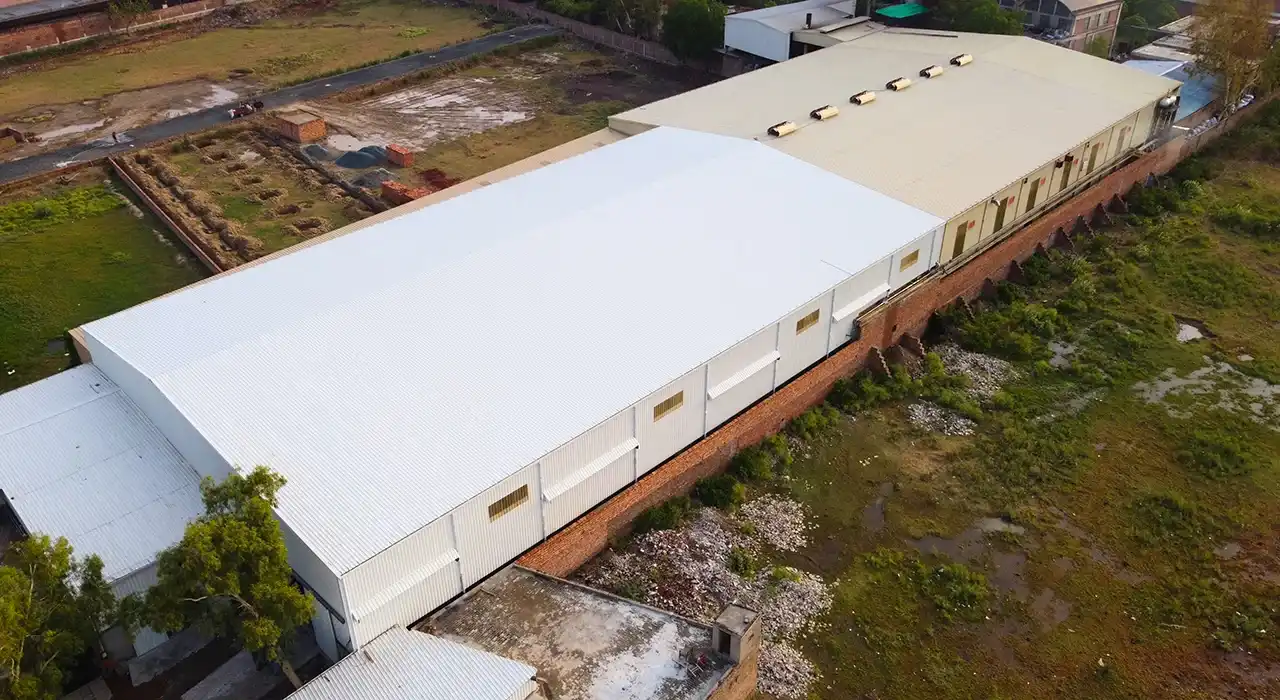
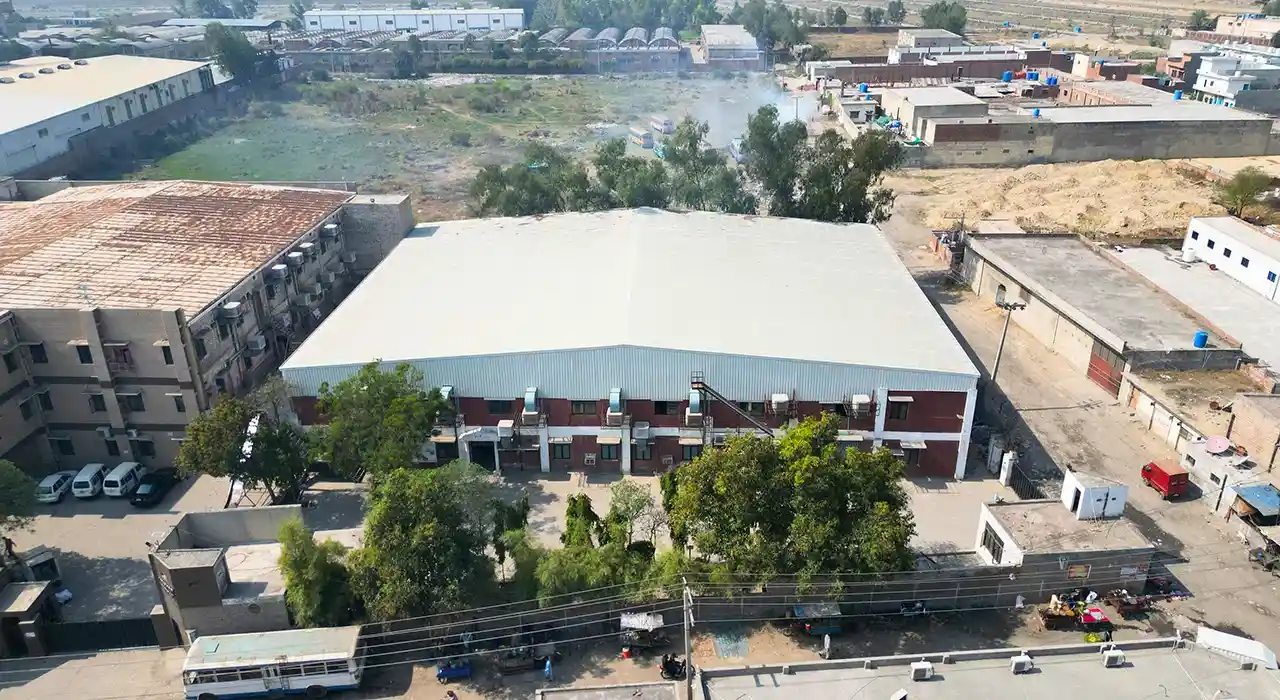
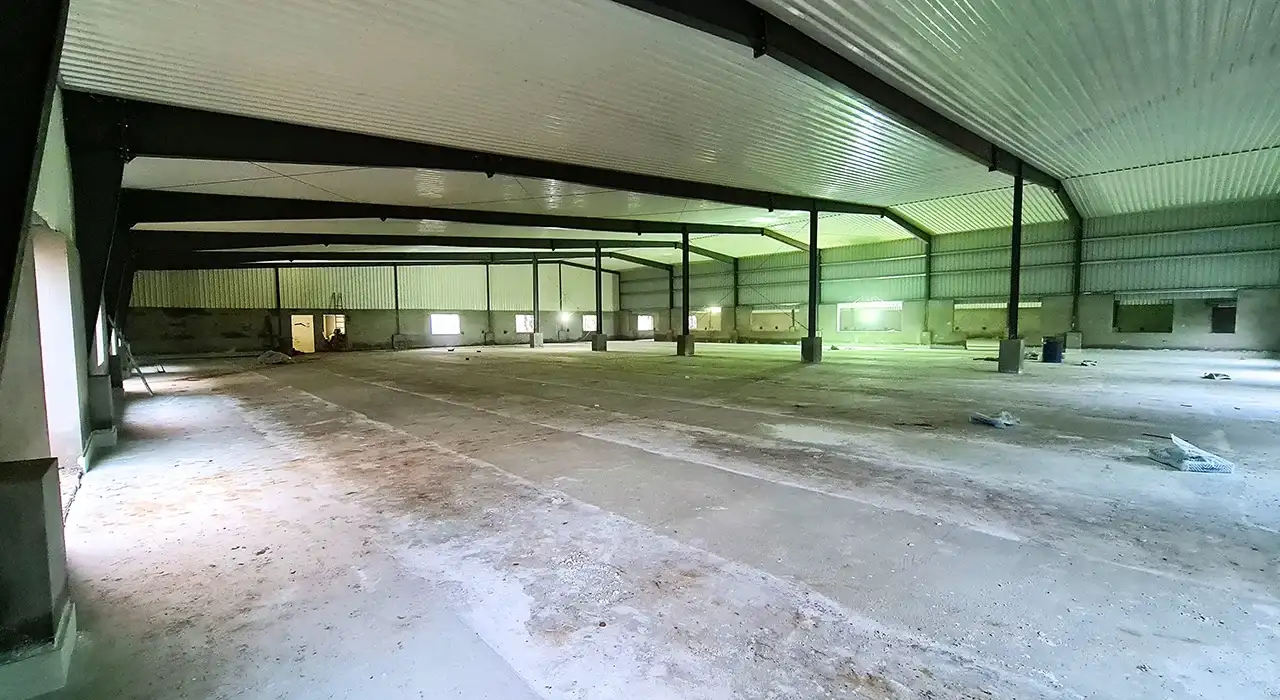
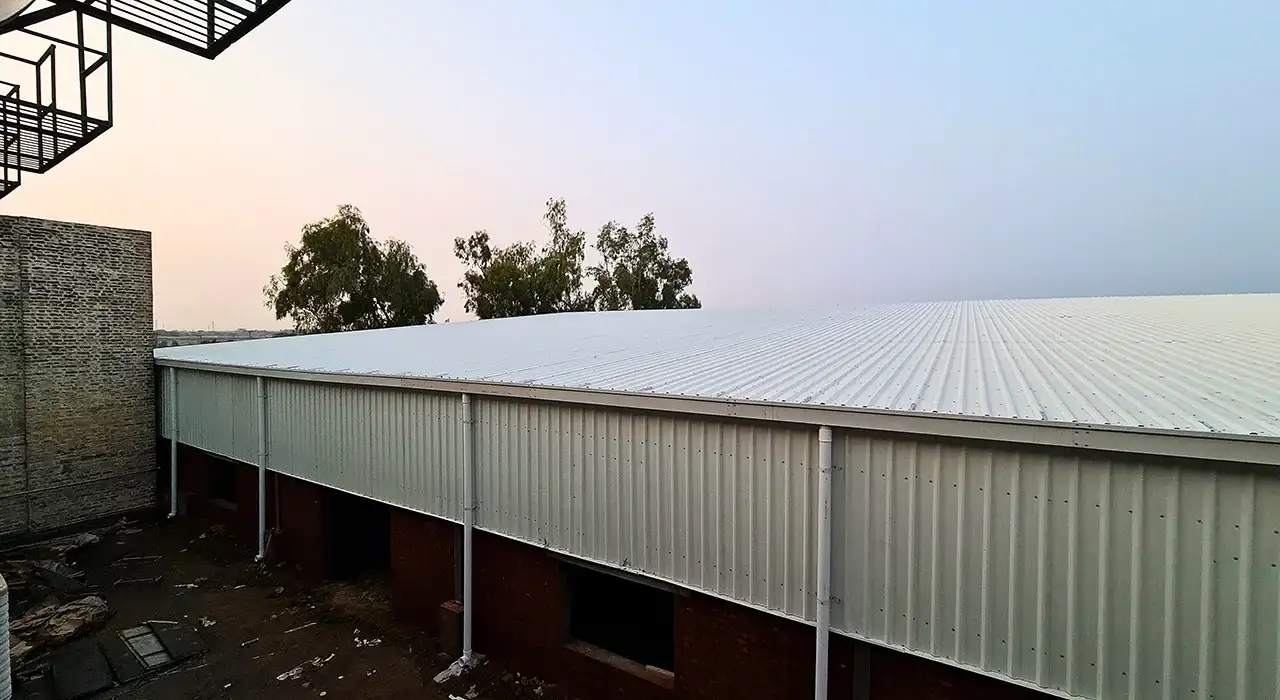
Pakistan’s textile industry demands large, flexible, and efficient production spaces to remain competitive in global markets. Traditional construction often fails to deliver the wide clear spans, high ceilings, and rapid timelines required for modern spinning, weaving, and garment units. PEB steel structures from Civoool provide column-free interiors that allow optimal machinery layout and smooth material flow.
 
These buildings support heavy equipment loads, overhead cranes, and excellent ventilation, all critical for textile processing. Fast construction minimizes production downtime, while durable, low-maintenance designs help mill owners control long-term costs in a highly competitive sector.

Key Advantages of PEB for Textile Manufacturing

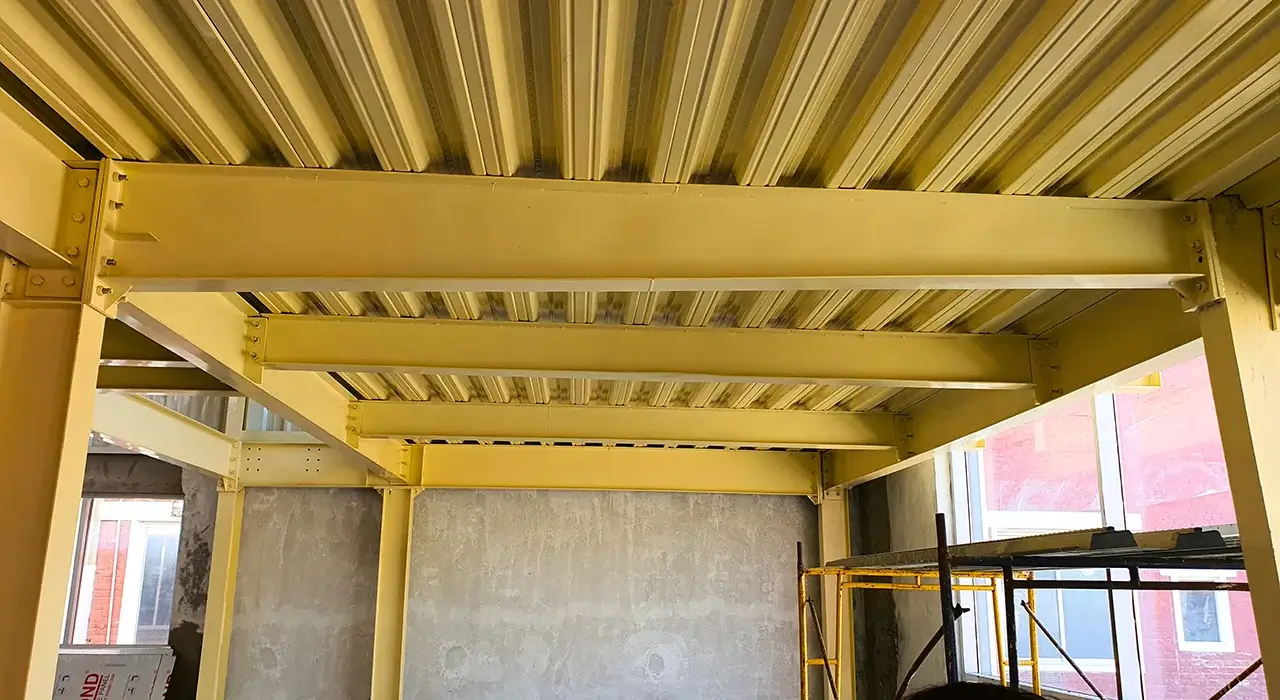
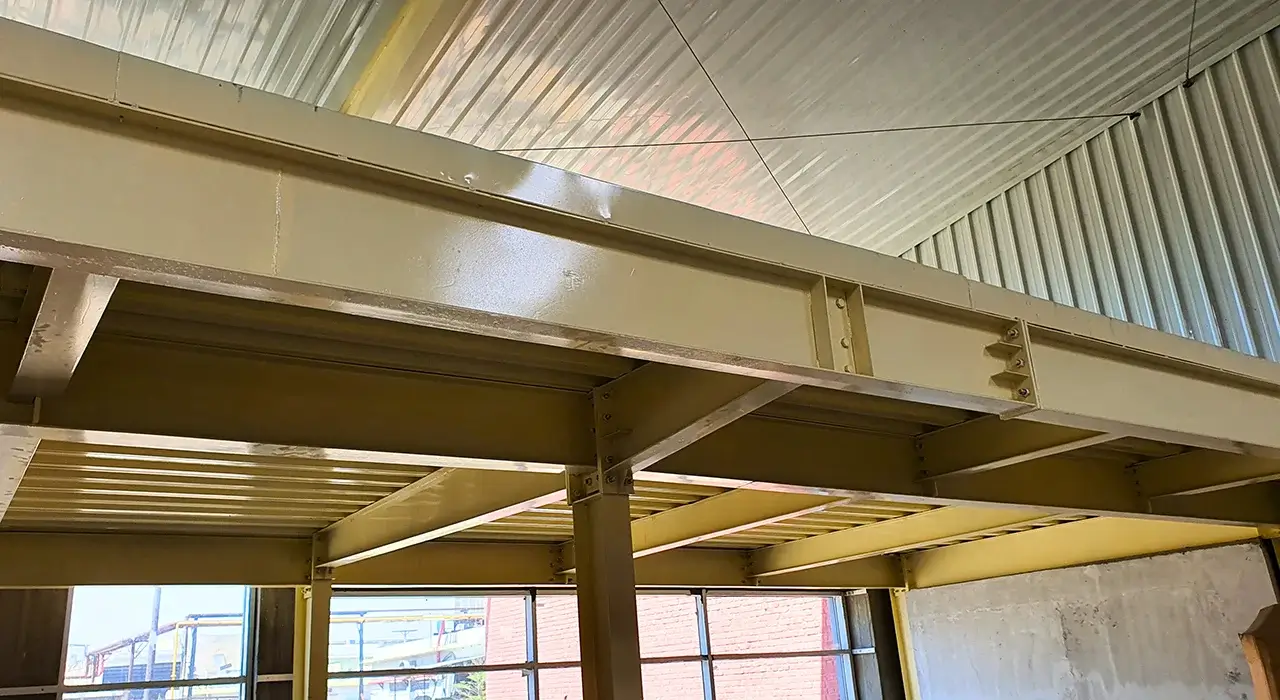
PEB technology brings important advantages for textile manufacturing. High-tensile steel provides wide clear spans without internal columns. Factory fabrication ensures quality and speed. Specialized coatings protect against humidity and dust. Civoool designs support future expansion easily. These benefits reduce project risk, speed up return on investment, and create facilities that support continuous production in textile units.
These features solve key challenges in textile manufacturing. Large clear spans allow efficient machine placement and material flow. Rapid delivery helps owners start production sooner. High load capacity supports heavy textile machinery and cranes. Expansion-ready design allows businesses to grow operations without major structural changes or high additional costs.

Engineering Considerations for Textile PEB Buildings

Civoool engineers every textile PEB project based on specific production needs. The design considers heavy machinery loads, equipment vibration, and the requirement for high eave heights to support overhead cranes and good air circulation.
 
Roofing and cladding options include insulated panels for better temperature and humidity control, especially useful in dyeing and garment areas. Ventilation systems are designed to handle dust, heat, and fumes from textile processes. Fire safety and clear exit routes are included from the beginning. Advanced modeling ensures the structure meets operational efficiency and safety standards before any fabrication starts.

Critical Design Features

01

Wide Clear Spans

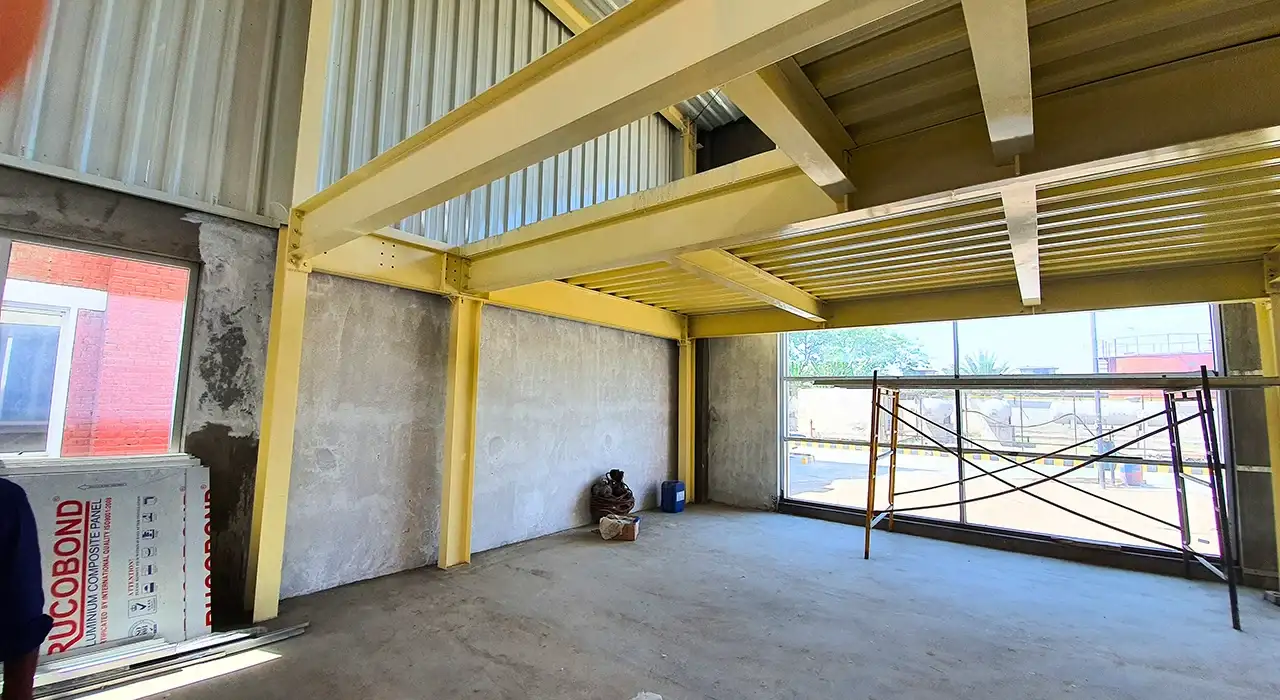
Civoool routinely delivers clear spans of 30 meters or more without internal columns. This creates unobstructed production floors ideal for textile machinery layout and material handling systems.

02

High Eave Heights

Elevated eave heights accommodate overhead cranes, improve natural ventilation, and provide space for future equipment upgrades common in expanding textile units.

03

Dust & Humidity Management

Proper cladding and ventilation design help manage dust and humidity levels inside the facility, supporting product quality and worker comfort in textile processing environments.

Applications of PEB in Pakistan’s Textile Sector

Spinning and Weaving Mills

Spinning and weaving units need vast column-free spaces for long production lines of machinery. PEB structures provide wide clear spans and high ceilings while allowing easy installation of material handling systems. Fast construction helps mill owners bring new capacity online quickly to meet export orders and handle seasonal production peaks without long delays.

Garment Manufacturing Units

Garment factories require flexible and well-ventilated spaces for cutting, stitching, and finishing work. PEB buildings offer clean and bright interiors with good natural light options. The speed of erection helps exporters meet tight international deadlines, while the durable structure supports long-term, low-maintenance operations in highly competitive global markets.

Dyeing, Finishing and Processing Plants

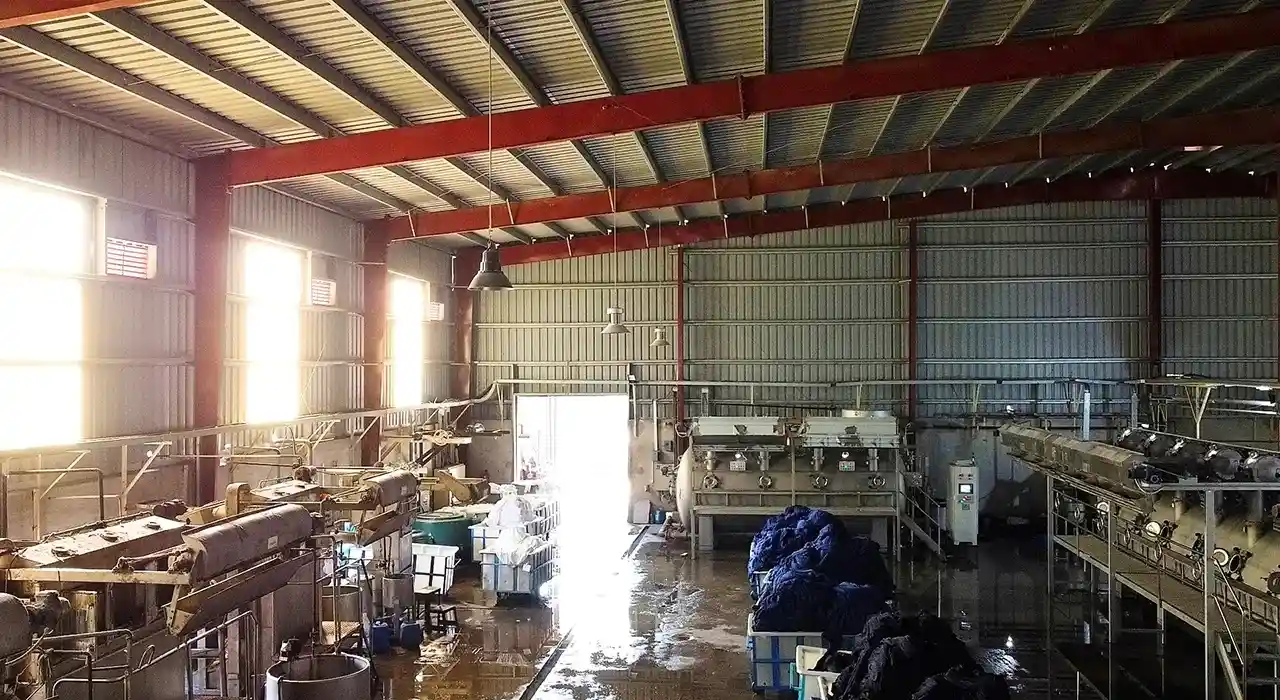
Dyeing and finishing units work in high humidity and chemical environments. Civoool’s corrosion-protected steel structures with proper ventilation and cladding maintain suitable internal conditions. These buildings support heavy wet-processing equipment while providing the durability required in demanding production environments.

Why Partnering with Civoool for Your Textile Project ?

Industry-Specific Engineering

Our team understands textile production workflows and designs structures that optimize machinery layout, material flow, and future expansion needs of spinning, weaving, and garment units.

Quality Manufacturing & Speed

All components are produced in Civoool’s controlled facility with strict quality checks. This ensures faster on-site erection and consistent structural performance for textile operations.

Turnkey Execution Nationwide

From initial consultation to final handover, Civoool manages the complete process. This integrated approach reduces coordination challenges and delivers projects on time across textile hubs in Pakistan.

Long-Term Support

Every Civoool PEB structure comes with robust warranties and responsive after-sales service. Our nationwide network ensures continued support for maintenance and future modifications.

Ensuring Long-Term Value for Textile Businesses

Operational Efficiency & Productivity

Well-designed PEB structures improve daily operations in textile units. Large clear spans and high ceilings allow optimal machine placement and smooth workflow, reducing handling time and increasing output. Proper ventilation and lighting contribute to better working conditions, which supports consistent product quality and higher worker productivity.

Cost Control & Faster ROI

PEB construction significantly reduces project timelines compared to traditional methods. Faster completion means textile units can start production sooner and generate revenue earlier. Lower maintenance requirements and energy-efficient design options help control operational costs over the building’s lifetime, improving overall return on investment.

Scalability for Business Growth

Textile businesses in Pakistan often need to expand capacity to meet growing export demand. Civoool’s PEB designs are modular and expansion-ready. Owners can add new bays or extend structures with minimal disruption to ongoing operations, providing the flexibility needed to grow without major new building investments.
Testimonial

What Clients Say About Us

FAQs

Most textile PEB projects are completed within 12 to 20 weeks from design approval. Pre-engineered components allow parallel fabrication and site work, enabling faster delivery than conventional construction methods.

Yes. Civoool designs PEB structures with sufficient load capacity for spinning frames, looms, dyeing equipment, and overhead cranes. Structural calculations are done specifically according to each project’s equipment requirements.

Yes. We use hot-dip galvanizing and specialized coatings for corrosion protection. Ventilation and cladding systems are designed to manage dust and humidity levels inside the facility effectively.

Yes. PEB structures are highly suitable for expansion. New bays or extensions can be added with minimal disruption to ongoing production. The modular design makes future growth straightforward and cost-effective.

PEB offers large clear spans, faster construction, lower maintenance, and better cost predictability. These advantages help owners reduce downtime, control costs, and scale operations more efficiently in Pakistan’s competitive textile sector.

Ready to Start Your Project?

Get in touch today for a FREE consultation and customized quote.