H Beam Shot-Blasting Plant

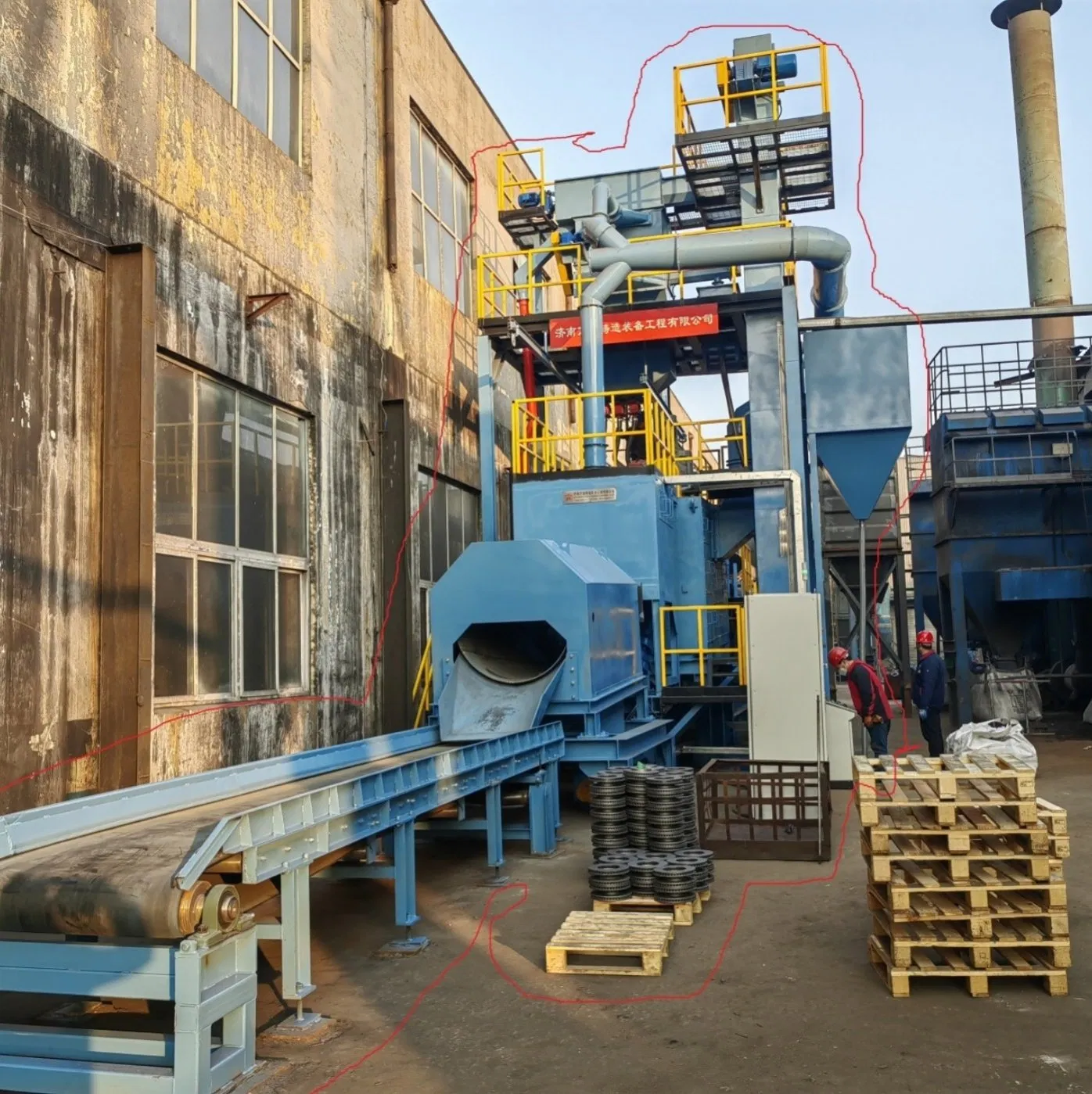
The H Beam Shot-Blasting Plant is Civoool Steel Structure’s in-house shot blasting line for preparing H-beams and heavy structural sections before coating. High-velocity steel shot strips away rust, mill scale, and contaminants, leaving a clean, profiled surface that lets paint and primer bond tightly for lasting corrosion protection.

What Is H Beam Shot Blasting?

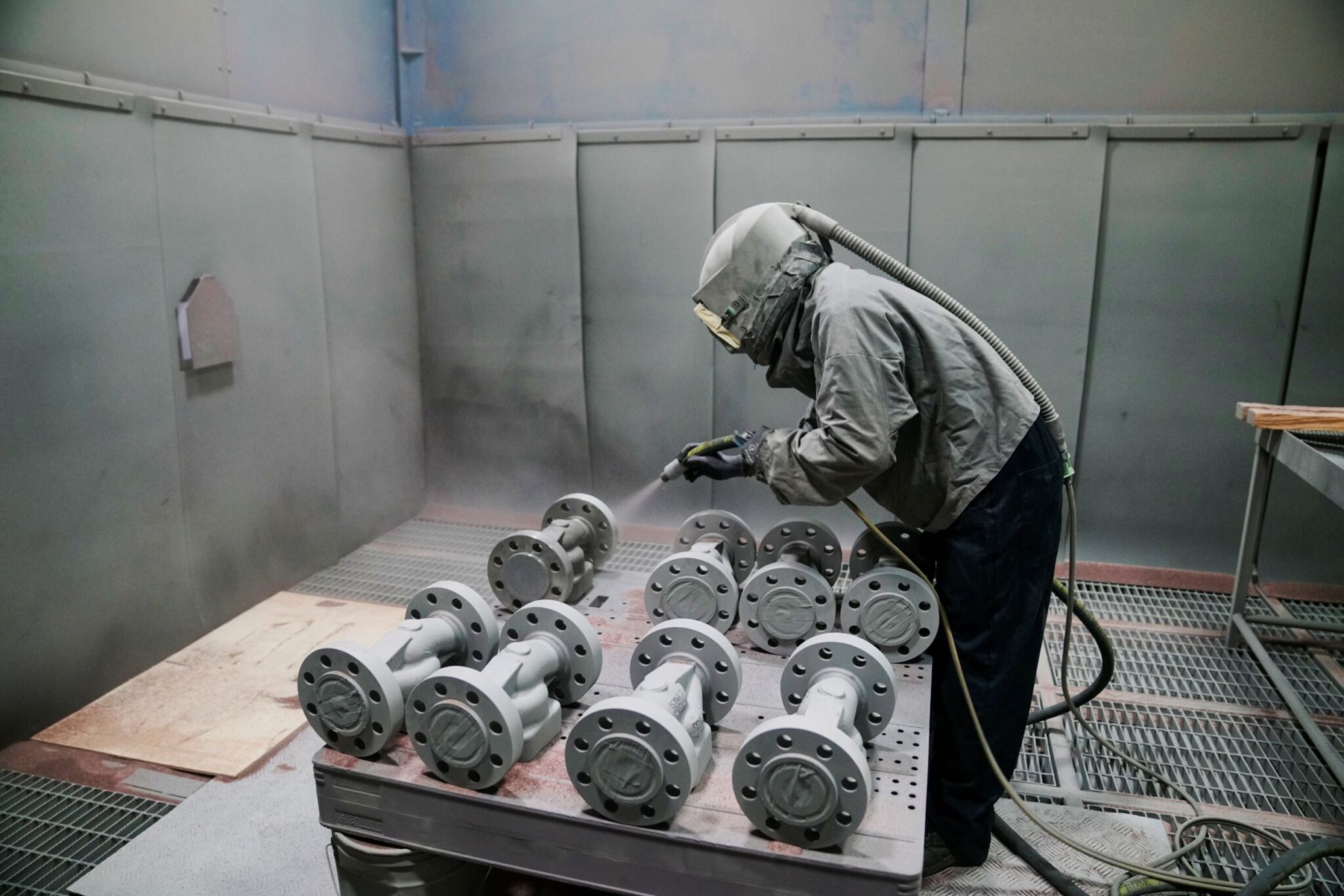
H Beam shot blasting is a mechanical surface-preparation process that cleans structural steel before painting or coating. Inside a sealed chamber, high-speed centrifugal wheels hurl steel shot at the beam from several directions, stripping off mill scale, rust, and old coatings far faster than hand tools or chemicals could. The impact does two jobs at once: it leaves the steel visibly clean, and it roughens the surface into a fine anchor profile that gives primer and paint something to grip. For a pre-engineered building manufacturer, this matters because almost every column and rafter is rolled or welded from H-sections, and the quality of that first cleaning step decides how well the protective coating will hold for years afterward.

Why Surface Preparation Decides Coating Life

A paint system is only as good as the surface beneath it. Even the best industrial coating applied over loose mill scale or rust will lift, blister, and peel within a season, exposing the steel to corrosion. Shot blasting removes that risk by taking the metal back to a clean, uniform base. International standards such as Sa 2.5 (near-white metal) specify exactly how clean the surface should be, and a properly blasted beam meets that grade consistently along its entire length. The roughened profile left behind, usually measured in tens of microns, increases the contact area between steel and primer. The result is a coating that bonds mechanically and chemically, lasting far longer in humid, coastal, or industrial conditions.

Inside Civoool’s Shot-Blasting Plant

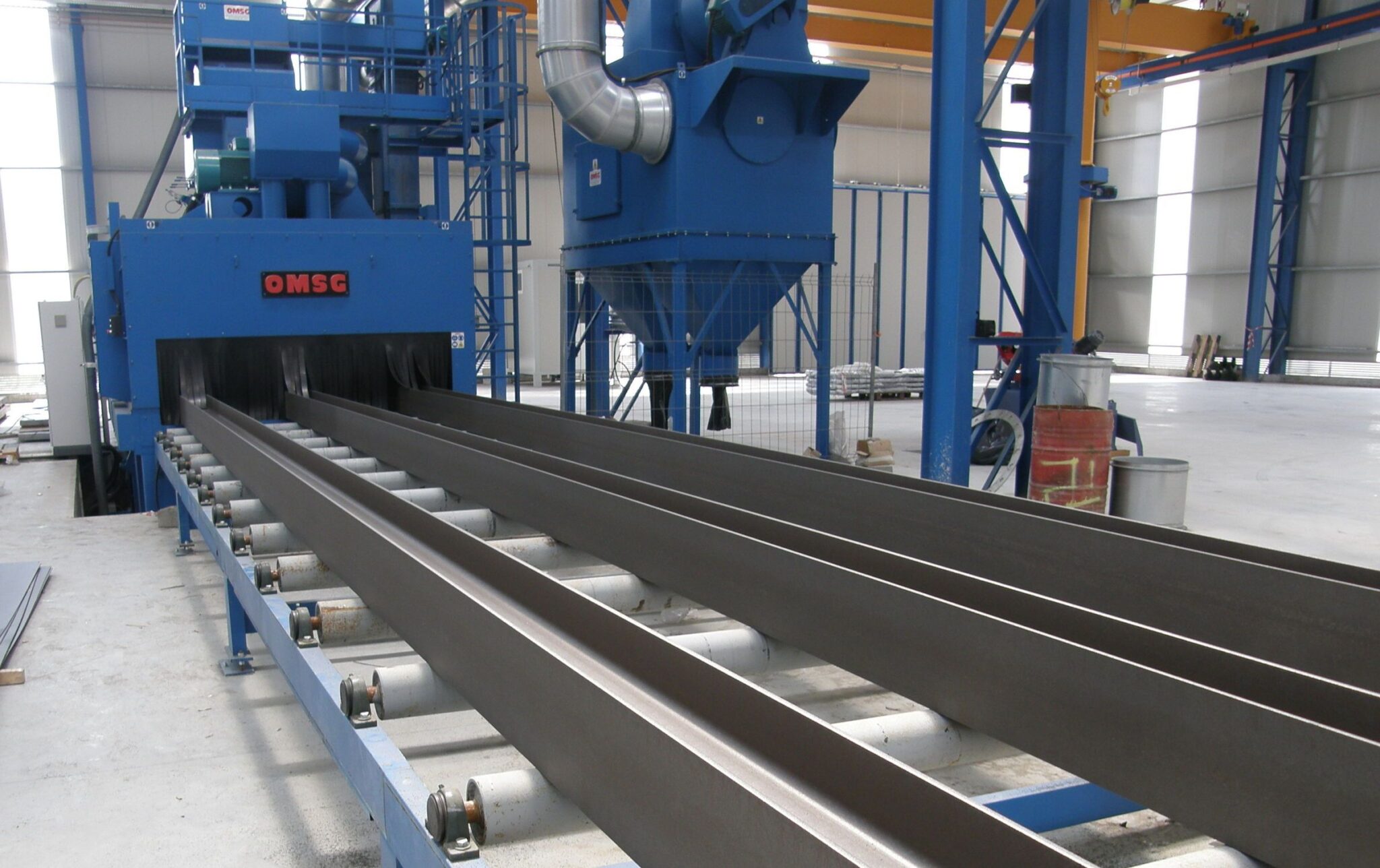
The plant is built as a continuous, conveyor-fed line rather than a manual booth. H-beams are loaded onto a roller conveyor whose speed is controlled by a frequency drive, then carried into a sealed blast chamber. Multiple high-speed blast wheels are positioned around the beam so that the top, sides, and flanges are all struck evenly in a single pass. Spent shot and debris fall to the base, where an abrasive recovery system separates dust, scale, and broken media from reusable shot. Because good-quality steel shot can be recycled hundreds of times, waste stays low, and running costs stay predictable. A dust collector keeps the working area clean, and the whole process repeats reliably from the first beam to the last.

Where Shot Blasting Fits in PEB Fabrication

In a pre-engineered building, shot blasting sits between fabrication and painting. Once columns, rafters, and built-up H-sections are cut, welded, and inspected, they pass through the blasting plant before any primer is applied. Cleaning at this stage, rather than on site, means every member arrives coated over a properly prepared surface, which is almost impossible to achieve outdoors after erection. The same line handles plates, channels, and other structural members, so an entire building’s steel is prepared to a single consistent standard. By keeping blasting in-house alongside cutting, welding, and coating, Civoool controls surface quality directly instead of relying on outside subcontractors, giving project owners a clear, single line of accountability for how long the finished structure resists corrosion.

Why In-House Shot Blasting Builds Longer-Lasting Steel

A Clean, Profiled Surface

The visible goal of shot blasting is a clean beam, but the more important outcome is the surface profile it creates. As thousands of steel shot particles strike the metal, they cut a fine, even pattern of peaks and valleys into the surface. This anchor profile, typically in the range of forty to seventy-five microns for structural coatings, sharply increases the area the primer can grip. Instead of sitting on a smooth, slippery face, the coating keys into the texture and locks on mechanically. Combined with the chemical bond of a good primer, this is what keeps paint from flaking when the structure flexes, heats, and cools. A properly profiled surface is the single biggest factor in how long a coating will actually last.

Stronger, Longer Corrosion Protection

Structural steel rarely fails because the steel itself is weak; it fails because corrosion is allowed to start at the surface. Mill scale, the bluish layer formed during hot rolling, is especially dangerous because it traps moisture against the metal and breaks down unevenly under paint. Shot blasting strips this layer away completely, leaving nothing for rust to hide beneath. When a properly prepared beam is primed and top-coated, the protective system can perform for its full design life, even in the humid and industrial environments common across Pakistan. For warehouses, factories, and cold stores expected to stand for decades, that difference in surface preparation translates directly into fewer repaint cycles, lower maintenance costs, and a longer service life for the whole building.

Faster and More Consistent Than Hand Cleaning

Manual surface preparation, using wire brushes, grinders, or hand-held tools, is slow, tiring, and impossible to keep uniform across a large structure. One worker may clean a flange thoroughly while another leaves patches of scale, and the finished result varies beam by beam. An automated shot-blasting plant removes that inconsistency. Every member passes through the same chamber at the same conveyor speed and receives the same blast coverage, so the hundredth beam is prepared exactly like the first. The line also works far faster, clearing heavy sections in minutes rather than hours. Because the abrasive is captured and recycled rather than discarded, the process remains efficient and clean, enabling fabrication to keep pace with tight project schedules without sacrificing surface quality.

Part of One Connected Steel Service

Shot blasting delivers the most value when it is a single, controlled step in a workflow rather than an outsourced step. At Civoool, blasting sits between in-house fabrication and painting, so prepared steel moves straight into coating before its clean surface can re-oxidise. Keeping these stages under one roof means tighter quality control, no handling delays, and clear accountability from raw section to finished, coated member. For developers and project managers, that means structural steel that is not only cut and welded accurately but also properly protected from the very first layer. If you are planning a durable steel building, surface preparation is exactly where its long life begins.

Ready to Start Your Project?

Get in touch today for a FREE consultation and customized quote.

FAQs

1. What is the main purpose of an H Beam Shot-Blasting Plant?

It removes rust, scale, and impurities to ensure clean, durable steel surfaces.

It enhances corrosion resistance, durability, and surface bonding for long-lasting performance.

It ensures consistency, speed, and precision that manual or chemical cleaning cannot match.

Yes, preparing smooth, clean surfaces ensures stronger coating adhesion.

Yes, it saves time, reduces waste, and lowers long-term maintenance costs.

Need a Reliable Steel Structure?

Connect with our experts today to get your project started hassle-free.