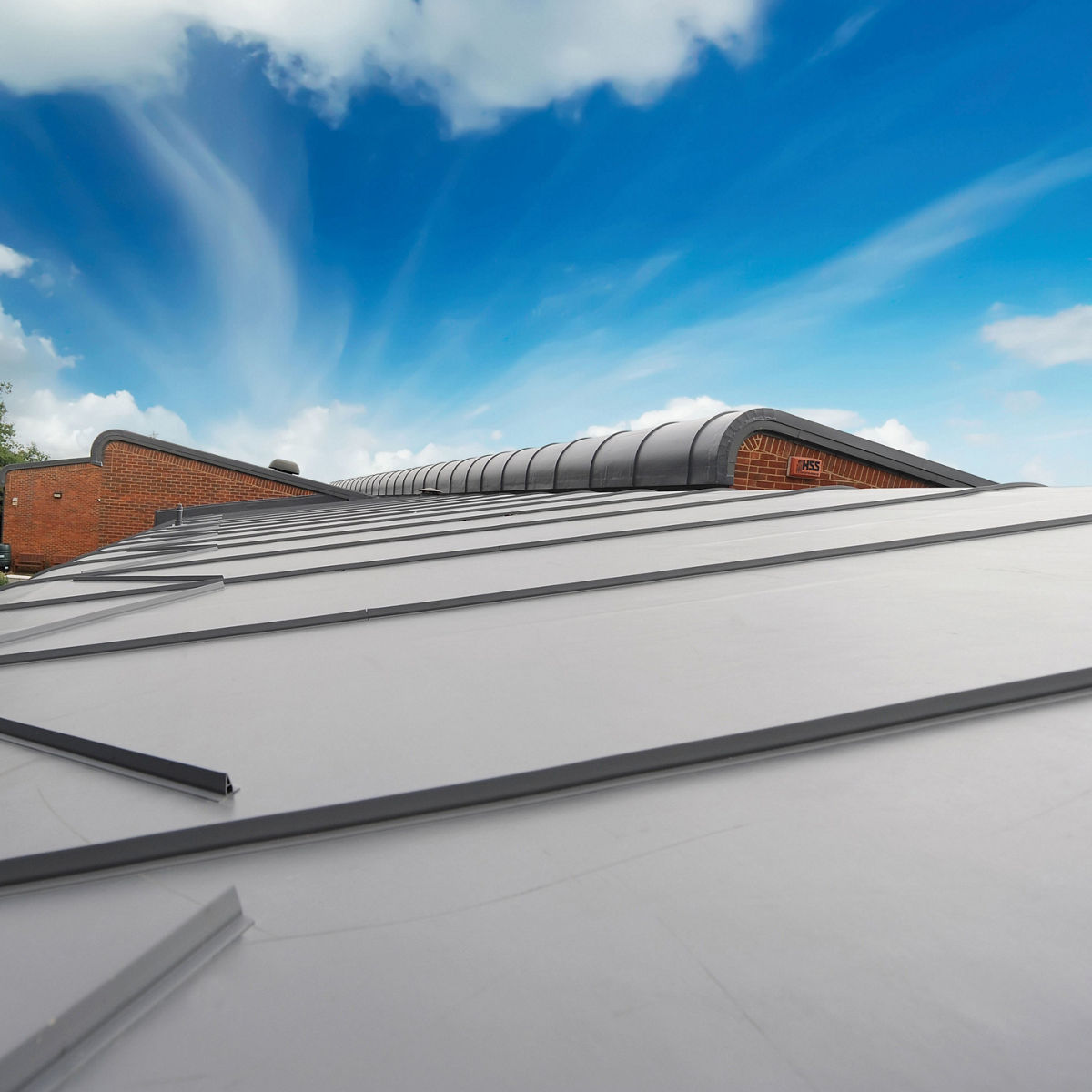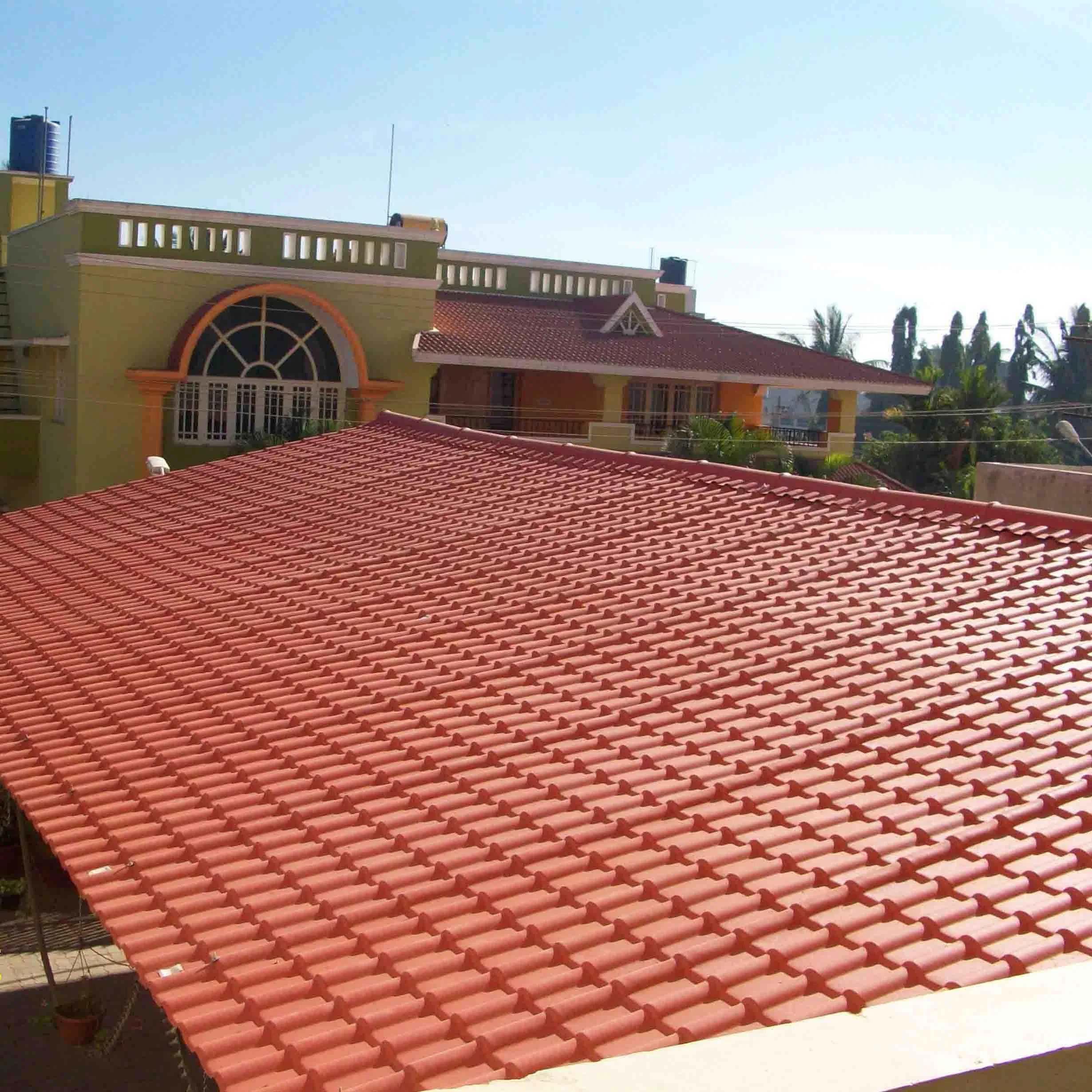
PVC (Polyvinyl Chloride) roofing is a popular thermoplastic roofing material used primarily for commercial and residential applications. Known for its durability and resistance to harsh weather conditions, PVC is one of the most reliable flat roofing options. It is highly flexible and offers superior waterproofing, making it an ideal choice for low-slope roofs.


Markit Roof
Benefits of PVC Roofing
PVC roofing offers several key advantages that make it a top choice in commercial and residential construction. One of its main benefits is its impressive durability. PVC roofing can withstand high winds, hail, and extreme temperatures, providing long-lasting protection for your building. The material is also UV resistant, which helps prevent degradation caused by exposure to sunlight. PVC roofs are highly reflective, reducing the building’s cooling costs by reflecting heat away from the structure. In addition, PVC is resistant to most chemicals, making it ideal for buildings that are exposed to industrial pollutants or other harsh substances. Another benefit is that PVC roofs are lightweight, making them easier and quicker to install compared to heavier roofing materials. Additionally, PVC membranes are resistant to algae, mold, and mildew, reducing the risk of moisture-related damage and enhancing the roof's longevity.