Screwdown Sheet

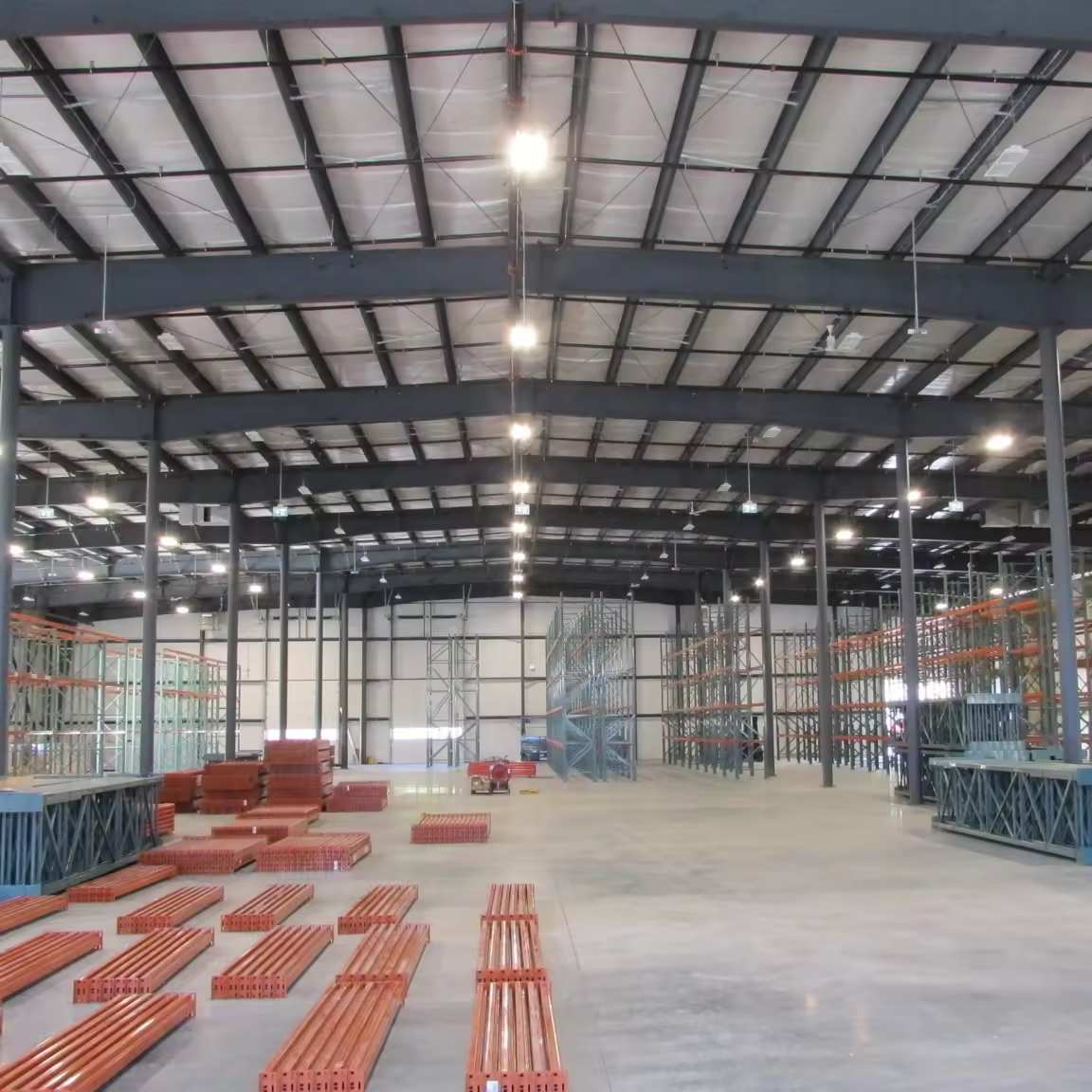
The screwdown sheet is the workhorse of industrial roofing: a strong trapezoidal profile fixed straight to the purlins with self-drilling screws. It is fast to install, easy to source, and hard to beat on cost per square metre. For warehouses, factories, and sheds that need a proven, reliable roof over a large area, this profile gets it done.

What Is a Screwdown Sheet?

A screwdown sheet is a through-fastened roofing and cladding profile, meaning it is fixed to the structure by screws driven directly through the face of the sheet into the purlins beneath. It is the most established metal roofing method and remains the default choice across industrial and agricultural buildings. The sheet is roll-formed from coated steel into a trapezoidal profile, a series of raised ribs and flat pans that give a thin sheet real stiffness across a span. Each self-drilling screw carries a sealing washer that compresses against the sheet to weatherproof the fixing point. Sheets overlap at their side ribs and end laps, forming a continuous roof surface. Because the fixing method is simple, visible, and quick, a screwdown roof can be installed rapidly by any competent crew, which keeps both labour time and overall cost low across a large roof area.

How the Trapezoidal Profile Carries Load

The strength of a screwdown sheet comes from its shape, not its thickness. Flat steel of the same gauge would sag under its own weight, but roll-forming it into trapezoidal ribs turns a floppy sheet into a stiff structural panel. Each rib acts like a small beam, resisting bending as wind, rain, and maintenance foot traffic press on the roof, so the sheet can span between widely spaced purlins without deflecting. This is why rib depth matters: a deeper profile spans farther and carries more, allowing the building to use fewer purlins for the same load. Fixings are driven through the flat pans, the low points that sit against the purlin, so the screw pulls the sheet tight to the steel below. The ribbed geometry also channels rainwater down the slope in defined valleys, moving it off the roof quickly rather than letting it pool.

Where Screws Go and Why It Matters

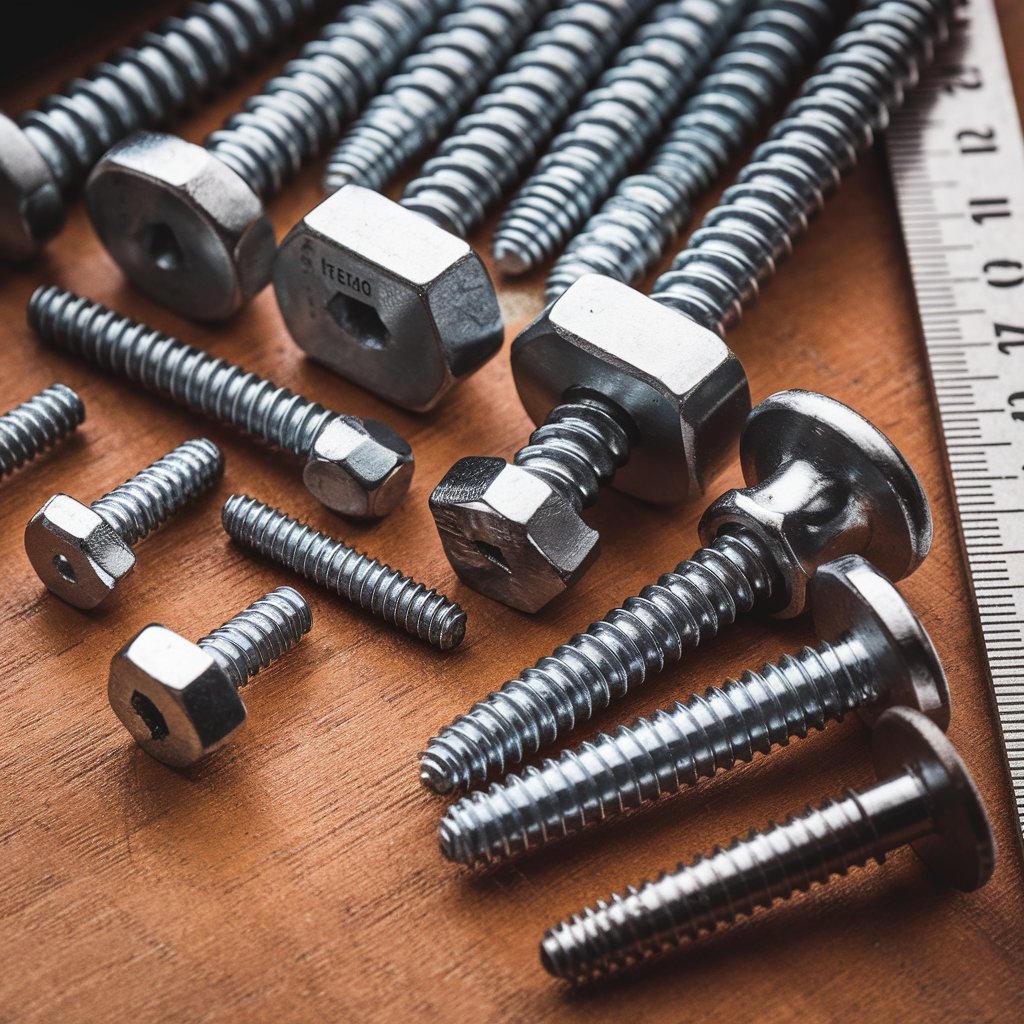
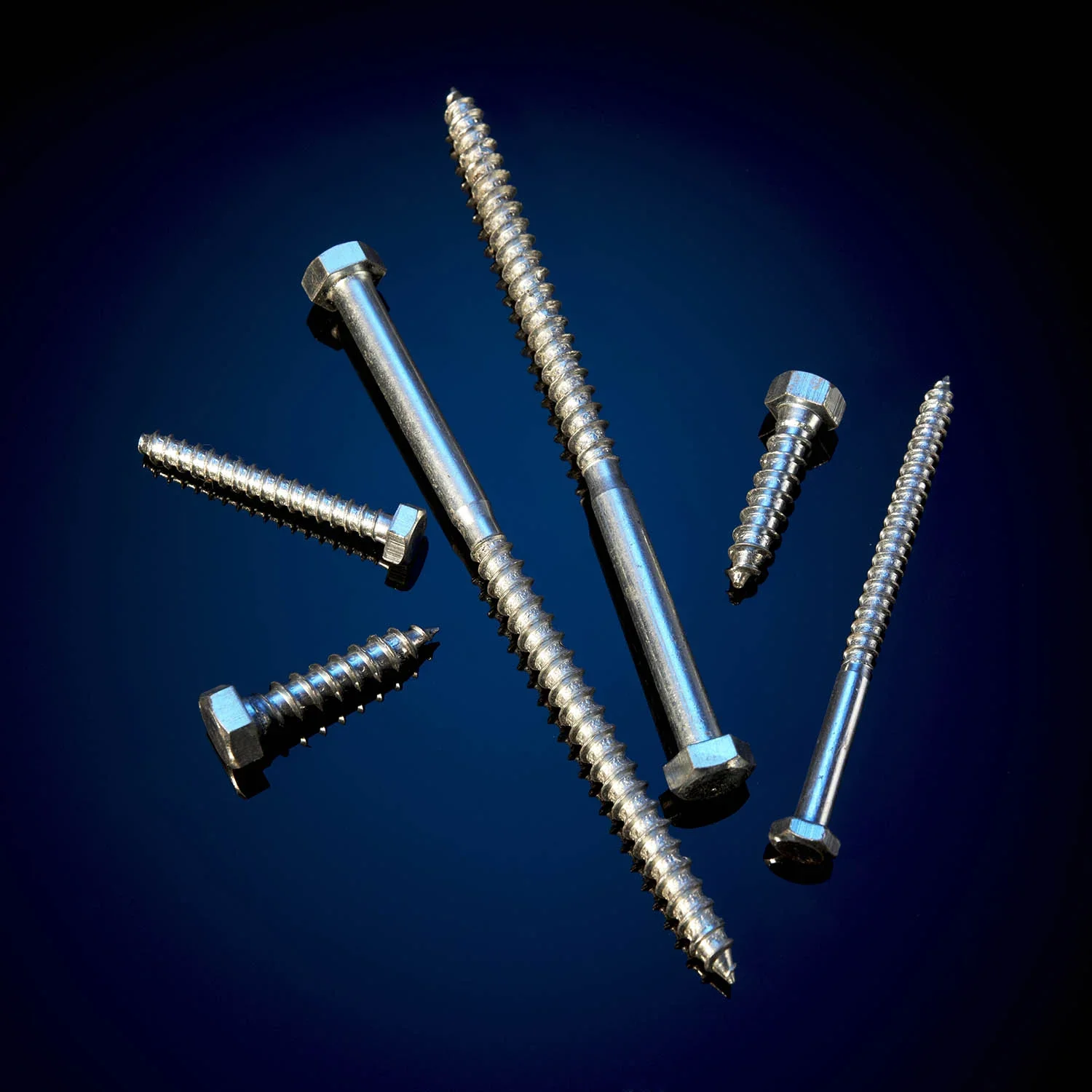
On a screwdown roof, fixing discipline is what separates a sound roof from a leaky one. Screws are placed through the pan of the sheet into every purlin, following a set pattern rather than a random one. End purlins at the eaves and ridge take fixings in every rib for maximum hold, while internal purlins are typically fixed in alternate ribs, since uplift forces are highest at the roof’s edges. In high-wind regions, that spacing is tightened, adding more fixings to resist the greater suction storms generate. Side laps and flashings are joined with smaller stitch screws that fasten metal to metal. Each fixing carries an EPDM or rubber washer that must be driven to the correct tightness: too loose, and it leaks; too tight, and the washer distorts. Getting this pattern and torque right is the core skill of installing a durable screwdown roof.

Where the Screwdown Sheet Fits Best

The screwdown sheet is the right choice wherever cost, speed, and proven reliability matter more than a fully concealed-fix finish. It dominates industrial and agricultural buildings, warehouses, factories, workshops, storage sheds, barns, and vehicle shelters, where large roof areas need to be covered economically and quickly. The same profile doubles as wall cladding, giving a building a consistent skin from roof to wall using a single product. On steeper pitches, where water runs off fast and never lingers on the fixings, the through-fastened method performs for decades with minimal fuss. It also suits projects on tight budgets or tight timelines, since the sheets are widely available, simple to cut and handle, and need no specialist seaming tools on site. For most functional industrial buildings, the screwdown sheet remains the practical default.

Why Choose a Screwdown Sheet

Not every roof needs to be complicated. For a huge share of industrial and agricultural buildings, the requirement is simple: cover a large area reliably, quickly, and affordably. The screwdown sheet has answered that requirement for generations, and it still does. Its strengths are practical ones, and they explain why it remains the most widely used metal roofing method despite newer alternatives.

Cost-Effective Over Large Areas

The screwdown sheet’s biggest advantage is economy. The sheets themselves are widely manufactured and competitively priced, the fixing method needs no specialist clips or seaming machines, and installation is fast, which keeps labour costs down. When a roof covers thousands of square metres, that combination of low material and labour costs produces real savings compared with more complex systems. For a warehouse or factory where the roof is a functional necessity rather than an architectural feature, that value proposition is decisive, and it is why the screwdown sheet is the benchmark against which other systems are measured on price.

Fast, Simple Installation

Because the fixing is straightforward- screws driven through the sheet into the purlin, a screwdown roof goes up quickly with a standard crew and standard tools. There are no clips to align, no mechanical seaming to run, and no specialist training required. This speed matters commercially: a roof closed in sooner protects the interior sooner and lets other trades start earlier. On large industrial jobs, where programme time is money, the pace of a screwdown installation is a genuine advantage that keeps projects on schedule.

Strength and Proven Reliability

The trapezoidal profile gives the sheet the stiffness to span between purlins and carry wind, rain, and foot traffic without excessive deflection. Fixed directly and tightly to the structure, the sheet is firmly anchored, and when the fixing pattern is correctly specified for the site’s wind loads, the roof resists uplift dependably. This is a mature, well-understood system with a long track record across all kinds of industrial buildings, so its behaviour holds no surprises. Specifiers and builders know exactly what they are getting.

Versatile Across Roof and Wall

One profile serves multiple purposes. The same screwdown sheet used on the roof can clad the walls, giving the building a unified appearance and simplifying procurement to a single product line. Sheets are easy to cut to length and handle on site, and the system accommodates the flashings, ridges, and closures a real building needs without difficulty. This versatility, combined with wide availability, makes the screwdown sheet a flexible, low-risk choice for the full envelope of a functional structure.
 
Taken together, low cost, fast installation, dependable strength, and everyday versatility make the screwdown sheet the practical backbone of industrial roofing. It is the profile you choose when you want a proven, economical roof over a large building without complication, delivered on time and on budget.
Ready to Start Your Project?

Get in touch today for a FREE consultation and customized quote.

FAQs

1. What is the difference between a screwdown sheet and a clip lock sheet?
A screwdown sheet is fixed by screws driven through the face of the sheet into the purlins, so the fixings are visible. A clip lock sheet uses hidden clips with no face penetrations. Screwdown wins on cost and speed; clip lock wins on leak resistance and clean appearance.
Screws go through the flat pan of the sheet into every purlin. End purlins at eaves and ridge are fixed in every rib, while internal purlins are usually fixed in alternate ribs. In high-wind areas, the spacing is tightened for extra uplift resistance.
It stays watertight when installed correctly. Each screw has a sealing washer that must be driven to the right tightness. Leaks come from washers that were overtightened, undertightened, or have aged, which is why fixing discipline and eventual maintenance matter.
The strength comes from the shape. Roll-forming the sheet into trapezoidal ribs turns a flexible sheet into a stiff panel, with each rib acting like a small beam. A deeper profile spans further and carries more, allowing the building to use fewer purlins.
Yes. The same trapezoidal profile works as wall cladding, giving a building a consistent skin from roof to wall with a single product. This simplifies procurement and gives the structure a unified appearance.

Need a Reliable Steel Structure?

Connect with our experts today to get your project started hassle-free.