C/Z Purlins

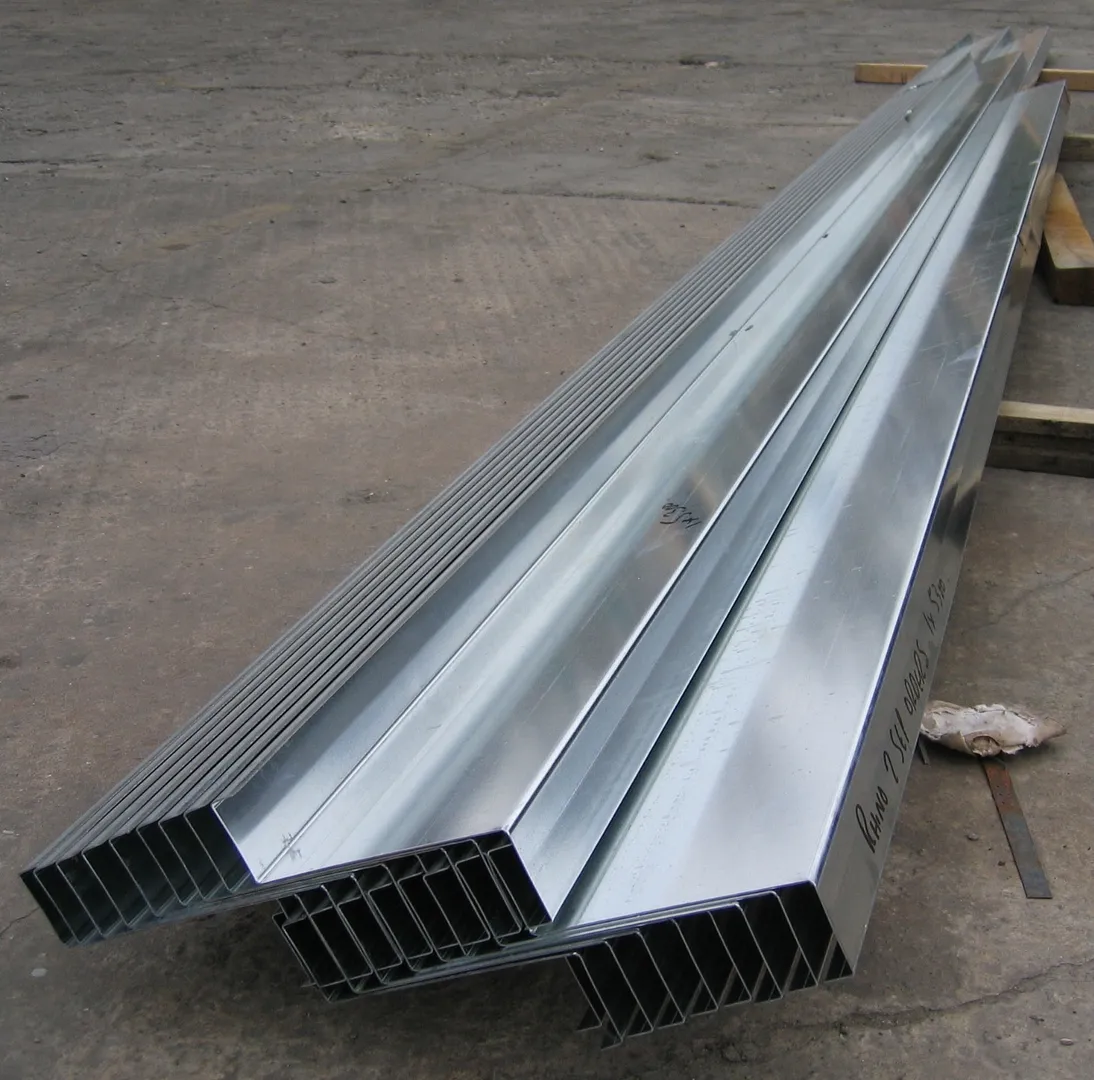
C and Z purlins are the cold-formed, galvanized steel members that form the secondary framing of a steel building. Spanning between the rafters as roof purlins and up the columns as wall girts, they support the roof and wall sheeting and carry its loads back to the frame. Light, strong, and economical, they are core to every Civoool structure.

What Are C and Z Purlins?

C and Z purlins are horizontal steel members that sit between a building’s main frames and hold up its roof and wall sheets. Named after the cross-sectional shape they are rolled into, they belong to the secondary framing system, the grid of members that ties the building’s outer skin back to the primary columns and rafters. On the roof, they are called purlins; the same sections used on the walls are called girts. Their job is to receive the load from the sheeting, whether wind, rain, or snow, and pass it safely into the main structure. Made from thin, high-strength steel, they deliver a great deal of structural capacity for very little weight, which is why nearly every modern steel building relies on them.

C-Section vs Z-Section: When to Use Each

Although they do the same broad job, the C and Z sections suit different situations. A C-section is a simple, symmetrical channel. Its flat web and even flanges provide a clean surface for fixing cladding, making it the natural choice for wall girts, framing around doors and windows, and shorter, single roof spans. A Z-section is point-symmetric, with flanges shaped so that two purlins can overlap at a support. This lapping joins individual lengths into one continuous beam across several bays, sharply increasing load capacity where spans are long or loads are heavy. As a rule, Z purlins are favoured for large, multi-bay roofs, while C purlins handle end bays, walls, and simpler structures.

Cold-Formed and Galvanized for Strength and Life

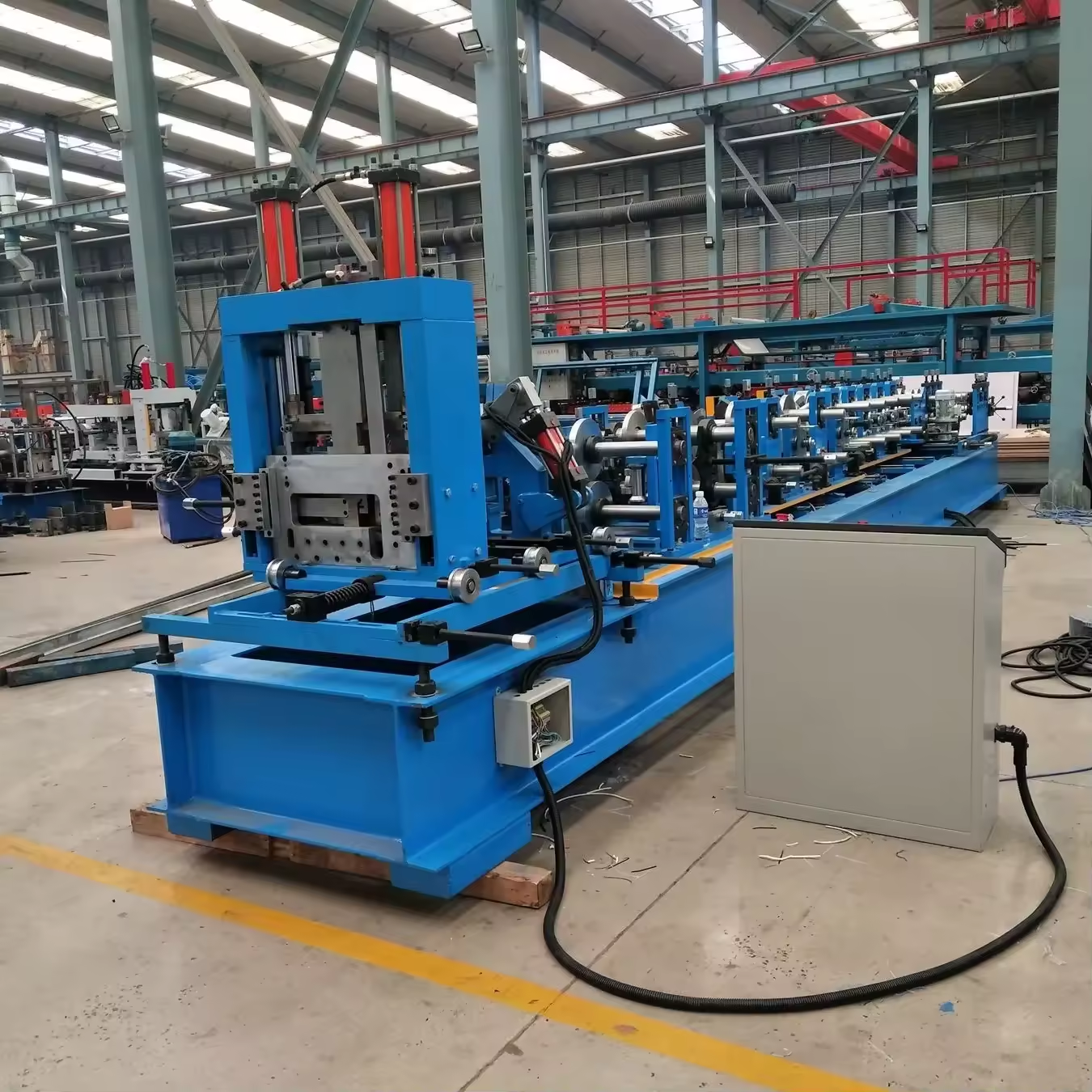
Both sections are made by cold forming, a process that rolls a flat strip of steel into its final shape at room temperature. This produces members that are remarkably stiff and strong for their weight, and it lets the same machine turn out long, consistent lengths to precise dimensions. Replacing heavy, hot-rolled channels with cold-formed C or Z sections can dramatically reduce the steel weight of the secondary framing, lowering both cost and the load carried by the rest of the building. The strip is galvanized, coated in zinc, before forming, so the finished purlin resists rust without any painting. That zinc layer is what gives a purlin its long service life inside a roof, where it is rarely seen but always working.

How Purlins Fit Into a Steel Building

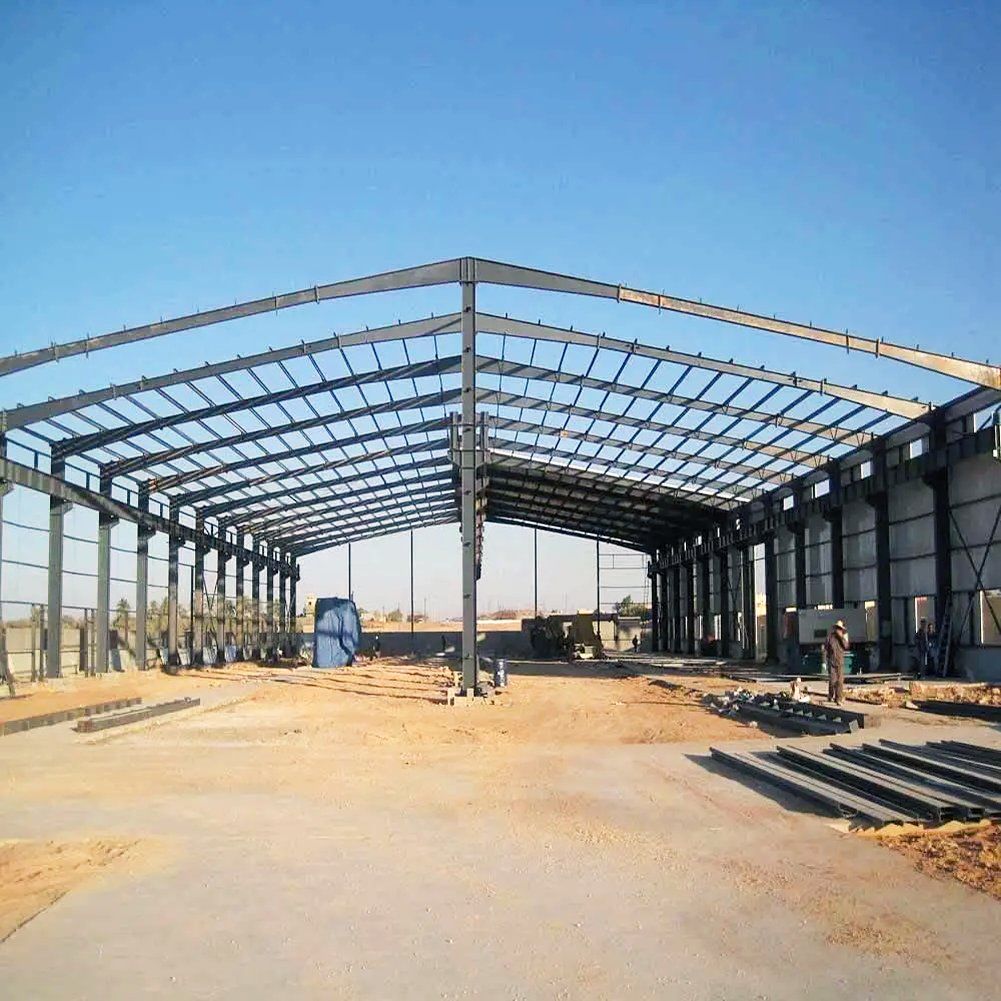
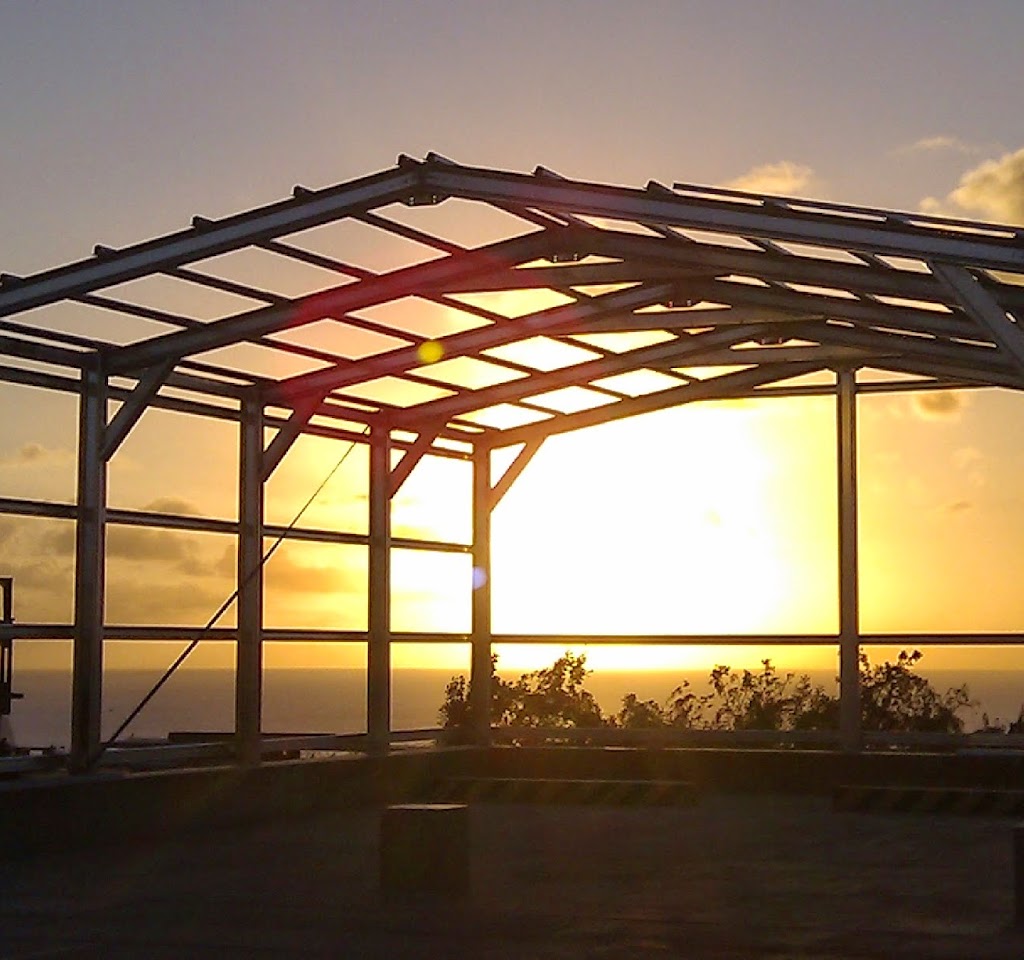
In a finished building, purlins and girts form an orderly grid, bolted to the main frame exactly as specified in the engineering drawings. Roof purlins run across the top of the rafters at a calculated spacing, close enough to support the chosen roof sheet without it sagging between them. Wall girts do the same job vertically up the columns. Because the sections are usually supplied pre-punched, with bolt holes already in place, erection is fast and accurate: each member drops onto its cleats and bolts straight up. Once the grid is complete, the roof and wall sheets are fixed to it, completing the building envelope. Get the purlin layout right, and everything fixed to it, from sheeting to insulation, sits true and performs as intended.

Why C and Z Purlins Make Better Steel Buildings

Light, Strong, and Economical

The biggest advantage of cold-formed purlins is the strength they deliver with so little steel. Because the shape itself carries the load, a thin section can span surprisingly far without bending, which keeps the tonnage of secondary steel, and therefore its cost, low. Switching from old hot-rolled channels to C or Z purlins can save a significant share of the steel weight while maintaining the same performance. That saving works twice over: less steel is bought in the first place, and the lighter secondary framing reduces the load passed down to the main frame and foundations. For a large warehouse or factory with thousands of metres of purlin, the difference in material cost is substantial, making cold-formed sections one of the most economical ways to build a reliable roof and wall structure.

Faster, Safer Installation

Lightweight is not only cheaper but also easier and safer to build with. A single worker can lift and position a purlin that would need lifting gear in heavier steel, so members go up quickly and with less risk on site. When the sections are pre-punched at the factory, there is no drilling or measuring during erection; each purlin simply lines up with its cleats and is bolted home. This turns the secondary framing into a fast, repeatable bolt-up operation rather than a slow fabrication job. The result is a roof and wall grid that is completed sooner, freeing the crew to move on to sheeting. On a tight construction programme, that speed and simplicity directly shorten the time to a weather-tight building.

Engineered for Each Span and Load

Purlins are not a one-size product; they are sized to the building. The depth and thickness of each section, the spacing between members, and the choice between a C, a Z, or a lapped Z are all decided from the span, the expected wind and roof loads, and the sheeting being used. Getting this right keeps the roof rigid and the structure safe; getting it wrong is the most common cause of sagging or deflection. The galvanized finish is chosen with the environment in mind, giving lasting corrosion protection in humid or industrial settings. Designed properly to recognised standards, a C or Z purlin system carries its loads efficiently for the full life of the building.
 

Supplied with Civoool Steel Buildings

Because Civoool designs and fabricates the entire steel building, its purlins and girts are engineered as part of the whole structure rather than purchased as loose parts. Section sizes, spacing, and lap lengths are calculated alongside the main frame and the chosen roof sheet, so every member fits its cleats and carries its share of the load exactly as planned. Supplied galvanized and pre-punched, they arrive ready to bolt straight onto the frame on site. For a developer, having the primary frame, secondary purlins, and roofing come from a single coordinated source means a tighter, faster build and a structure that performs as a single, properly engineered system.

Ready to Start Your Project?

Get in touch today for a FREE consultation and customized quote.

FAQs

1. What are C/Z Purlins used for in construction?

C/Z Purlins provide support for roofing and cladding in PEB systems along with steel structures.

They tend to offer increased precision, consistency, and strength, making sure lifelong performance with minimal wastage.

They are corrosive-resistant, which further increases its permanence and enhances the structural longevity in severe climactic conditions.

They are lightweight, solid making them well suited for industrial and warehouse sheds.

The utilization of advanced purlin fabrication along with weather resistant materials makes sure lifelong performance and reduced maintenance.

Need a Reliable Steel Structure?

Connect with our experts today to get your project started hassle-free.